


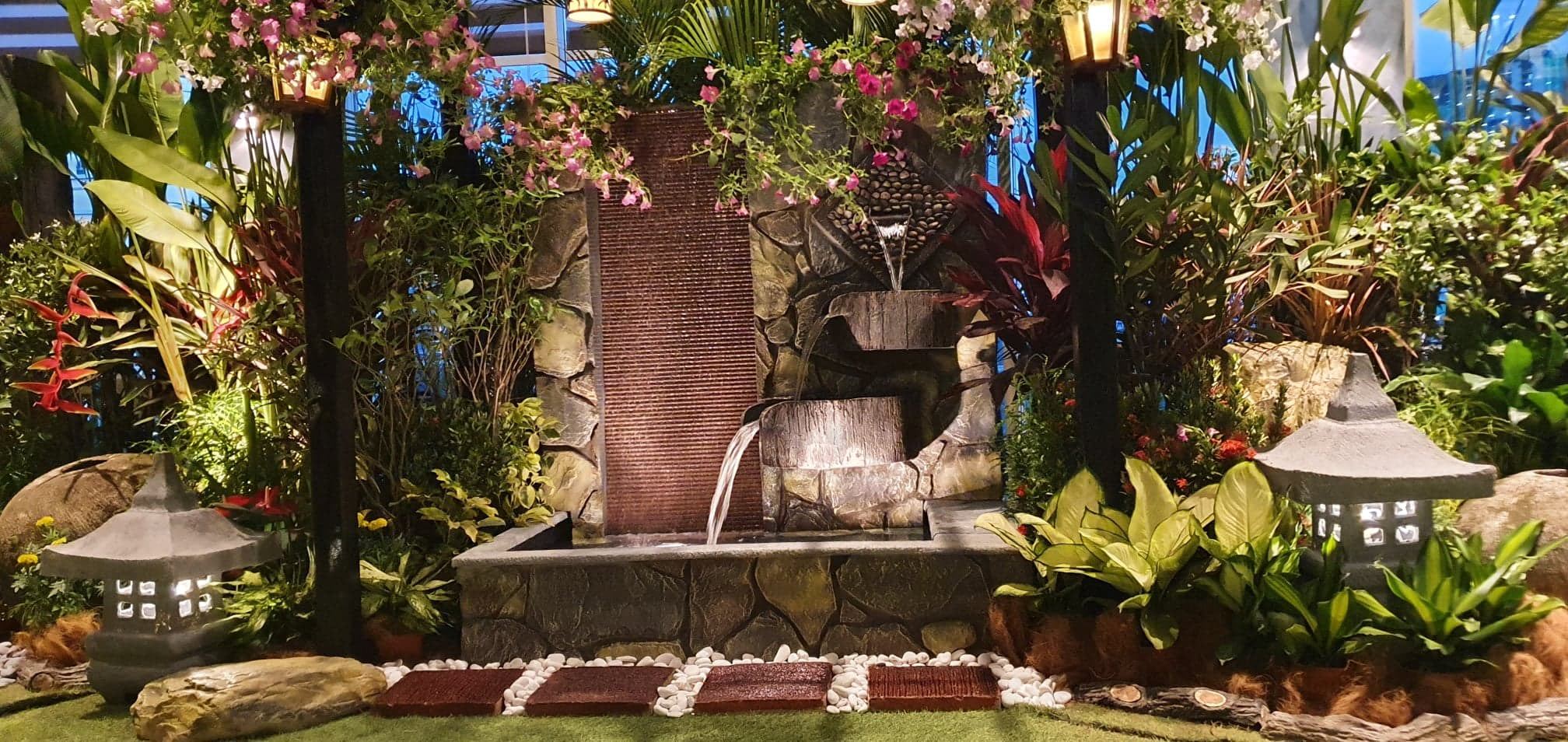
New Fountains and Ponds best solution to your Zen Space
Share Blog

Arriving 28 October: Our New Corten Steel Fountain Collection, and What's Coming Next
Our new corten steel fountain range lands in Sydney around 28 October 2026. Discover the collection, our 4–6 weekly new arrivals, and the marble, bronze, zellige and Moroccan mosaic pieces coming this spring and summer.
Arriving 28 October: Our New Corten Steel Fountain Collection, and What's Coming Next
Our new corten steel fountain range lands in Sydney around 28 October 2026. Discover the collection, our 4–6 weekly new arrivals, and the marble, bronze, zellige and Moroccan mosaic pieces coming this spring and summer.

Cast in Bronze: Why We Still Sculpt the People We Love
An introduction to Bespoke Bronze — commissioned statues and busts, launching soon at Fountain Store There is a moment that happens in almost every family. A box comes down from a cupboard, and inside it are photographs of someone who is no longer here. Everyone leans in. Someone says, that's exactly how he stood. And then the box goes back on the shelf for another few years. Photographs are precious. But they are flat, they fade, and they live in drawers. For more than three thousand years, when people have wanted to say this person mattered, and I want that to be obvious to anyone who walks into this room — they have reached for bronze. We think that instinct deserves to be available to more than museums and municipalities. Which is why we are preparing to launch Bespoke Bronze: commissioned statues and busts, sculpted from your own photographs and video, made to order in any size. An old, deliberate practice The technique has barely changed. Lost-wax casting — cire perdue — is the process by which a sculpture is reproduced in metal from an original model, and the oldest known examples come from the Indus Valley, dating back nearly 5,000 years (lost-wax casting, art history reference). By the time the Greeks were producing their masterpieces, the method was already ancient. The Riace Bronzes — two slightly-larger-than-life warriors cast around 460–450 BCE and recovered from the sea off Calabria in 1972 — were made using lost-wax casting, a process already old when they were made (Riace bronzes, Quiet Canvas). They spent roughly two thousand four hundred years underwater. They are still magnificent. Our commissions are made the same way. Not because we are sentimental about tradition, but because nothing better has been invented. Portraiture began as remembrance It is worth knowing where the portrait bust actually comes from, because it was never about vanity first. The Roman practice of making busts grew out of death masks taken from family members (Roman portrait sculpture). The imagines maiorum — likenesses of ancestors — were carried at funerals, walking ahead of the bier and sitting in the Forum during the public eulogy, a visible testament to the family's standing and continuity. A bust was how a family said: these are the people we come from. Centuries later, the same object was doing similar work in English country houses, where bust portraiture became central to how families presented themselves and their place in a longer story The impulse has not changed. Only the access has. What bronze actually gives you Bronze is the reason any of this survives. It is an alloy of copper and tin, and its great gift is the patina — that green, blue and brown surface that forms as the metal reacts slowly with air and moisture. Patina is not dirt and not decay. It is a thin protective layer of controlled oxidation that shields the metal beneath. The practical result: a properly cast and maintained bronze can realistically last 100 to 500 years outdoors, and centuries longer in sheltered conditions (Relong Sculpture). Indoors, a thousand years or more with minimal care (Landtop). How long any individual piece lasts comes down to three things: the quality of the casting, where it is placed, and how it is looked after (Bronzes Gallery). Two of those three are our responsibility. That is not a small thing to take on, and it is why we have been slow and careful in bringing this category to market. Patina is also a choice. Ferric nitrate produces browns and blacks; liver of sulphur gives browns through to greens and blues; cupric salts yield blues, greens and reds (patina chemistry). Applied hot or cold, by hand, by someone who has done it a thousand times. Your finish is a decision, not a default. Occasions people commission for We have spent a long time listening to why customers ask about this work. The reasons cluster more tightly than you might expect. To honour a life. A parent, a grandparent, a partner. Often commissioned in the year after a loss, when a family is looking for something more substantial than a plaque. To mark an achievement that took decades. A retirement after forty years in a trade. A business handed to a second generation. A doctorate finished late in life against the odds. To celebrate a beginning. The birth of a first child or a first grandchild. Some families commission at birth and keep the piece for the child's twenty-first. To recognise someone outside the family. A mentor. A coach. A founder. A long-serving colleague who quietly held an organisation together. For the ones who greeted you at the door. Pets are among the most requested commissions, and we would never treat them as lesser work. For community. Clubs, schools, temples, churches, RSLs, cultural associations and local councils marking their own histories and their own people. Eulogy in permanent form. Words said once, at a funeral, given a shape that stays in the house. What we are committing to A new category is easy to announce and harder to earn. Here is what we are holding ourselves to. Premium standing, honestly priced. Commissions start from $2,200 excluding GST and freight for a bust of approximately 50–65 cm. Every piece is individually quoted, because size, complexity and material genuinely change the cost. We will not quote a number we cannot stand behind, and we will tell you when an idea is not achievable within your budget rather than taking the deposit and hoping. You see it before it is set in metal. Around 8–10 days after your brief, we present a clay maquette. Two full rounds of revisions are included. Change the expression. Change the tilt of the head. Involve the whole family and argue about it. This is the stage where a likeness becomes right, and we would far rather spend time here than deliver something that is merely close. Materials chosen for longevity, sourced responsibly. Bronze is among the most genuinely recyclable materials in sculpture — copper and tin can be melted down and given new life repeatedly, and reclaimed copper is widely used in contemporary casting (sustainability in bronze sculpture). Modern silicon bronze also effectively eliminates the heavy metals present in historical alloys, limiting lead content to negligible levels (the ethics of contemporary bronze). We work with foundries that use recycled bronze where possible and that can tell us, on request, where their material came from. Craft properly paid for. Hand-sculpting, hand-chasing and hand-patination are skilled work performed by people. We price so that the artisans doing it are paid properly. A commission that seems suspiciously cheap is usually cheap because someone in the chain was not. Championing art, in all its forms We sell fountains, statues, basins and tiles. Across that catalogue we have come to believe something fairly simple: there is no single tradition that owns beauty. Our range already draws on Andalusian courtyards and Moorish tilework, on classical European carving, on Asian sculptural traditions, on the Mediterranean and on contemporary Australian design. A zellige fountain and a Renaissance marble pond can share a garden. A Buddha and a family bust can share a hallway. We have never seen a reason to rank these against each other. So when you commission a piece from us, we will sculpt whoever you ask us to sculpt, however you ask us to represent them. Any face. Any faith. Any family shape. Any cultural tradition of dress, posture, adornment or symbolism — and we will ask questions rather than assume, because getting a cultural detail wrong on a memorial is not a small error. On community. Our best work has always come through local relationships — with landscapers, designers, stonemasons, trades and the customers who send us photographs of their finished gardens years later. For this category we are actively interested in working with community organisations, clubs, schools and cultural associations on tribute and commemorative pieces, including at scales that are not commercially obvious for us. If you are a group trying to honour someone and the budget is tight, talk to us anyway. Launching soon Bespoke Bronze opens shortly. The process is deliberately unhurried: 1. Send photographs, video and a short brief, and confirm your preferred size 2. We provide a written quotation based on your chosen material and dimensions 3. A 30% deposit confirms your commission and schedules production 4. Concept sketch 5. Clay maquette at 8–10 days — two rounds of revisions included 6. Final approval locks the design 7. Casting and hand-finishing, approximately two weeks 8. Crated, insured and delivered Typical turnaround: 4–6 weeks. You may also elect to include an inscribed message, depending on the design chosen — a name, a date, a dedication, or a few words in your own voice. Register your interest now and we will contact you when commissions open, along with a guide to photographing a subject well. sales@fountainstore.com.au - 1300 848 094 Bespoke Bronze commissions are individually sculpted to each customer's specification. Full terms, including revision rounds, deposit and returns, are set out on the collection page.
Cast in Bronze: Why We Still Sculpt the People We Love
An introduction to Bespoke Bronze — commissioned statues and busts, launching soon at Fountain Store There is a moment that happens in almost every family. A box comes down from a cupboard, and inside it are photographs of someone who is no longer here. Everyone leans in. Someone says, that's exactly how he stood. And then the box goes back on the shelf for another few years. Photographs are precious. But they are flat, they fade, and they live in drawers. For more than three thousand years, when people have wanted to say this person mattered, and I want that to be obvious to anyone who walks into this room — they have reached for bronze. We think that instinct deserves to be available to more than museums and municipalities. Which is why we are preparing to launch Bespoke Bronze: commissioned statues and busts, sculpted from your own photographs and video, made to order in any size. An old, deliberate practice The technique has barely changed. Lost-wax casting — cire perdue — is the process by which a sculpture is reproduced in metal from an original model, and the oldest known examples come from the Indus Valley, dating back nearly 5,000 years (lost-wax casting, art history reference). By the time the Greeks were producing their masterpieces, the method was already ancient. The Riace Bronzes — two slightly-larger-than-life warriors cast around 460–450 BCE and recovered from the sea off Calabria in 1972 — were made using lost-wax casting, a process already old when they were made (Riace bronzes, Quiet Canvas). They spent roughly two thousand four hundred years underwater. They are still magnificent. Our commissions are made the same way. Not because we are sentimental about tradition, but because nothing better has been invented. Portraiture began as remembrance It is worth knowing where the portrait bust actually comes from, because it was never about vanity first. The Roman practice of making busts grew out of death masks taken from family members (Roman portrait sculpture). The imagines maiorum — likenesses of ancestors — were carried at funerals, walking ahead of the bier and sitting in the Forum during the public eulogy, a visible testament to the family's standing and continuity. A bust was how a family said: these are the people we come from. Centuries later, the same object was doing similar work in English country houses, where bust portraiture became central to how families presented themselves and their place in a longer story The impulse has not changed. Only the access has. What bronze actually gives you Bronze is the reason any of this survives. It is an alloy of copper and tin, and its great gift is the patina — that green, blue and brown surface that forms as the metal reacts slowly with air and moisture. Patina is not dirt and not decay. It is a thin protective layer of controlled oxidation that shields the metal beneath. The practical result: a properly cast and maintained bronze can realistically last 100 to 500 years outdoors, and centuries longer in sheltered conditions (Relong Sculpture). Indoors, a thousand years or more with minimal care (Landtop). How long any individual piece lasts comes down to three things: the quality of the casting, where it is placed, and how it is looked after (Bronzes Gallery). Two of those three are our responsibility. That is not a small thing to take on, and it is why we have been slow and careful in bringing this category to market. Patina is also a choice. Ferric nitrate produces browns and blacks; liver of sulphur gives browns through to greens and blues; cupric salts yield blues, greens and reds (patina chemistry). Applied hot or cold, by hand, by someone who has done it a thousand times. Your finish is a decision, not a default. Occasions people commission for We have spent a long time listening to why customers ask about this work. The reasons cluster more tightly than you might expect. To honour a life. A parent, a grandparent, a partner. Often commissioned in the year after a loss, when a family is looking for something more substantial than a plaque. To mark an achievement that took decades. A retirement after forty years in a trade. A business handed to a second generation. A doctorate finished late in life against the odds. To celebrate a beginning. The birth of a first child or a first grandchild. Some families commission at birth and keep the piece for the child's twenty-first. To recognise someone outside the family. A mentor. A coach. A founder. A long-serving colleague who quietly held an organisation together. For the ones who greeted you at the door. Pets are among the most requested commissions, and we would never treat them as lesser work. For community. Clubs, schools, temples, churches, RSLs, cultural associations and local councils marking their own histories and their own people. Eulogy in permanent form. Words said once, at a funeral, given a shape that stays in the house. What we are committing to A new category is easy to announce and harder to earn. Here is what we are holding ourselves to. Premium standing, honestly priced. Commissions start from $2,200 excluding GST and freight for a bust of approximately 50–65 cm. Every piece is individually quoted, because size, complexity and material genuinely change the cost. We will not quote a number we cannot stand behind, and we will tell you when an idea is not achievable within your budget rather than taking the deposit and hoping. You see it before it is set in metal. Around 8–10 days after your brief, we present a clay maquette. Two full rounds of revisions are included. Change the expression. Change the tilt of the head. Involve the whole family and argue about it. This is the stage where a likeness becomes right, and we would far rather spend time here than deliver something that is merely close. Materials chosen for longevity, sourced responsibly. Bronze is among the most genuinely recyclable materials in sculpture — copper and tin can be melted down and given new life repeatedly, and reclaimed copper is widely used in contemporary casting (sustainability in bronze sculpture). Modern silicon bronze also effectively eliminates the heavy metals present in historical alloys, limiting lead content to negligible levels (the ethics of contemporary bronze). We work with foundries that use recycled bronze where possible and that can tell us, on request, where their material came from. Craft properly paid for. Hand-sculpting, hand-chasing and hand-patination are skilled work performed by people. We price so that the artisans doing it are paid properly. A commission that seems suspiciously cheap is usually cheap because someone in the chain was not. Championing art, in all its forms We sell fountains, statues, basins and tiles. Across that catalogue we have come to believe something fairly simple: there is no single tradition that owns beauty. Our range already draws on Andalusian courtyards and Moorish tilework, on classical European carving, on Asian sculptural traditions, on the Mediterranean and on contemporary Australian design. A zellige fountain and a Renaissance marble pond can share a garden. A Buddha and a family bust can share a hallway. We have never seen a reason to rank these against each other. So when you commission a piece from us, we will sculpt whoever you ask us to sculpt, however you ask us to represent them. Any face. Any faith. Any family shape. Any cultural tradition of dress, posture, adornment or symbolism — and we will ask questions rather than assume, because getting a cultural detail wrong on a memorial is not a small error. On community. Our best work has always come through local relationships — with landscapers, designers, stonemasons, trades and the customers who send us photographs of their finished gardens years later. For this category we are actively interested in working with community organisations, clubs, schools and cultural associations on tribute and commemorative pieces, including at scales that are not commercially obvious for us. If you are a group trying to honour someone and the budget is tight, talk to us anyway. Launching soon Bespoke Bronze opens shortly. The process is deliberately unhurried: 1. Send photographs, video and a short brief, and confirm your preferred size 2. We provide a written quotation based on your chosen material and dimensions 3. A 30% deposit confirms your commission and schedules production 4. Concept sketch 5. Clay maquette at 8–10 days — two rounds of revisions included 6. Final approval locks the design 7. Casting and hand-finishing, approximately two weeks 8. Crated, insured and delivered Typical turnaround: 4–6 weeks. You may also elect to include an inscribed message, depending on the design chosen — a name, a date, a dedication, or a few words in your own voice. Register your interest now and we will contact you when commissions open, along with a guide to photographing a subject well. sales@fountainstore.com.au - 1300 848 094 Bespoke Bronze commissions are individually sculpted to each customer's specification. Full terms, including revision rounds, deposit and returns, are set out on the collection page.

The Warmth of Home: Why Candles Belong in Every Refined Interior
A beautifully considered home appeals to more than the eye. It should feel welcoming, calming and distinctly personal—the kind of space where guests linger, everyday routines become rituals, and every room has its own atmosphere. Candles are one of the simplest and most effective ways to create that feeling. For refined homeowners, passionate decorators and Australian style-setters, a quality candle is not merely a source of fragrance or soft light. It is an essential finishing touch: an object of beauty, an expression of taste and a powerful tool for turning a house into a home. The beauty of candlelight There is a reason candlelight has been valued for centuries. Its gentle, flickering glow softens a room in a way that overhead lighting cannot. It brings warmth to cool stone, texture to timber, depth to mirrors and a quiet sense of luxury to every setting. A candle can instantly change the mood of a space: Create a welcoming entryway by lighting a candle before guests arrive. Make a dining table feel more intimate, whether for a relaxed weekday meal or a special celebration. Turn a bathroom into a private retreat after a busy day. Add warmth to living areas during quiet evenings, entertaining or weekend gatherings. Make bedrooms feel restful and more thoughtfully curated. Unlike trend-led décor that can date quickly, candlelight remains timeless. It works just as beautifully in a contemporary coastal home, a classic Federation residence, a sculptural modern apartment or a lushly layered garden room. Fragrance creates an unforgettable home Scent has a remarkable ability to influence how we experience a room. A signature fragrance can make a home feel instantly recognisable and memorable—not unlike a favourite piece of art, a beautiful fountain or a much-loved antique. Thoughtfully chosen home fragrance can help establish the character of each space: Space Desired feeling Fragrance direction Entryway Welcoming, polished and memorable Citrus, florals, light woods Living room Relaxed, elegant and sociable Amber, sandalwood, fig, soft spices Dining area Warm and inviting Fresh herbs, citrus, gentle florals Bedroom Calm, private and restorative Lavender, musk, white florals, cedar Bathroom Clean, serene and spa-like Eucalyptus, bergamot, linen-inspired notes Outdoor entertaining space Layered, atmospheric and luxurious Mediterranean botanicals, citrus, herbs, woods The most successful fragrance choices enhance a room rather than overwhelm it. They become part of the background mood of daily life: subtly present when reading on the sofa, hosting friends, enjoying a long lunch or settling into a slower evening at home. Candles as decorative objects A premium candle earns its place in a home even before it is lit. The vessel, label, colour, scale and craftsmanship all contribute to a layered interior. For decorators, candles offer a highly versatile styling element. Place one on a coffee table beside a stack of design books; use a pair to bring symmetry to a console; group several in different heights on a dining sideboard; or position a candle beside a statement planter, sculpture or water feature-inspired decorative object. A few simple styling principles can make a substantial difference: Choose vessels that complement your existing finishes, whether marble, timber, brass, ceramic, glass or stone. Use candles in groups of two or three for visual balance, varying height and scale. Add a candle to transitional spaces—hallways, powder rooms, bedside tables and entry consoles—where small details make a home feel complete. Treat larger candles as centrepieces, especially on oversized dining tables, kitchen islands and outdoor entertaining tables. Reuse beautiful finished vessels as small planters, storage containers or decorative holders where appropriate. In a carefully styled home, these details are never incidental. They are what make a space feel collected, generous and lived in. A ritual for slower living Modern life is busy, particularly for people balancing work, family, entertaining and the demands of a beautifully run home. Lighting a candle is a small but meaningful act of intention. It signals a transition: from work to evening, from busy to calm, from ordinary to special. This simple ritual can support moments that matter: Light a candle while preparing dinner and transform cooking into an enjoyable wind-down ritual. Burn a favourite fragrance during a bath, skincare routine or quiet Sunday morning. Use candlelight at the table to make family dinners and celebrations feel more occasion-worthy. Welcome visitors with a softly scented, warmly lit home. Create an evening reading corner with a candle, a comfortable chair and a beautiful throw. Luxury is often found in these repeatable, everyday pleasures. It does not need to be extravagant or reserved for a special event. A premium candle brings a sense of occasion to the moments already happening in your home. Why quality matters Not all candles are created equally. A truly premium candle is defined by more than a beautiful scent at first smell. It should offer fragrance depth, a balanced aroma, quality materials, attractive presentation and a burn experience worthy of its place in a refined home. When selecting candles for your interiors or as gifts, look for: A complex, well-composed fragrance that develops beautifully in the room. Quality wax and carefully selected fragrance ingredients. A well-made wick designed to support an even, consistent burn. A generous scent throw that is present without becoming overpowering. An elegant vessel that complements your décor and can be appreciated long after the candle is finished. Packaging and presentation that feel suitable for gifting. A premium candle is a small investment in atmosphere. It offers visual beauty, fragrance and experience all at once—making it one of the most rewarding additions to a well-appointed home. A natural fit for Fountain Store At Fountain Store, we have always believed that a home and garden should feel like an extension of the people who live there: individual, elegant, welcoming and layered with pieces that tell a story. From water features that create movement and tranquillity to garden statues, decorative accents and statement pieces that transform outdoor spaces, our collection is designed for customers who value character and craftsmanship. Candles are a natural extension of that philosophy. Water and fragrance both shape atmosphere in subtle, sensory ways. The gentle sound of moving water can create calm in a garden or courtyard, while the soft glow and scent of a candle bring the same sense of sanctuary indoors. Together, they help create homes that feel intentional rather than simply furnished. Introducing Cereria Mollá From September 2026, Fountain Store will be proud to introduce Cereria Mollá, a distinguished Spanish home-fragrance brand that reflects the quality, heritage and decorative sensibility our customers seek. Cereria Mollá brings a rich tradition of Spanish candlemaking to the contemporary home. Its collections are designed for those who appreciate refined fragrance, exceptional presentation and the kind of considered detail that elevates a room. These are candles created not simply to scent a space, but to become part of its story. The partnership feels especially fitting because Fountain Store and Cereria Mollá share an affinity for Spanish-inspired living: warmth, hospitality, beauty, craftsmanship and an appreciation for the art of gathering. Both brands understand that a home should be a sensory experience—a place enriched by sound, light, fragrance, texture and enduring design. For Australian homeowners with an eye for premium décor, Cereria Mollá will offer a beautiful new way to bring European sophistication into everyday living. Whether styled in a coastal retreat, an inner-city apartment, a heritage home or an entertainer’s garden pavilion, these candles are designed to feel both luxurious and effortlessly at home. Coming to Fountain Store in September 2026 For those who seek more than ordinary home décor, Cereria Mollá will be an exciting new arrival. It is a brand for thoughtful gifters, keen decorators, lovers of beautiful interiors and trend-setters who understand that true style is felt as much as it is seen. This September, discover Cereria Mollá at Fountain Store and experience the quiet luxury of exceptional Spanish fragrance. Pair the soft glow of a premium candle with the tranquil movement of water, beautiful garden décor and the details that make your home unmistakably yours. Because the most memorable homes do not just look beautiful—they create a feeling that stays with you.
The Warmth of Home: Why Candles Belong in Every Refined Interior
A beautifully considered home appeals to more than the eye. It should feel welcoming, calming and distinctly personal—the kind of space where guests linger, everyday routines become rituals, and every room has its own atmosphere. Candles are one of the simplest and most effective ways to create that feeling. For refined homeowners, passionate decorators and Australian style-setters, a quality candle is not merely a source of fragrance or soft light. It is an essential finishing touch: an object of beauty, an expression of taste and a powerful tool for turning a house into a home. The beauty of candlelight There is a reason candlelight has been valued for centuries. Its gentle, flickering glow softens a room in a way that overhead lighting cannot. It brings warmth to cool stone, texture to timber, depth to mirrors and a quiet sense of luxury to every setting. A candle can instantly change the mood of a space: Create a welcoming entryway by lighting a candle before guests arrive. Make a dining table feel more intimate, whether for a relaxed weekday meal or a special celebration. Turn a bathroom into a private retreat after a busy day. Add warmth to living areas during quiet evenings, entertaining or weekend gatherings. Make bedrooms feel restful and more thoughtfully curated. Unlike trend-led décor that can date quickly, candlelight remains timeless. It works just as beautifully in a contemporary coastal home, a classic Federation residence, a sculptural modern apartment or a lushly layered garden room. Fragrance creates an unforgettable home Scent has a remarkable ability to influence how we experience a room. A signature fragrance can make a home feel instantly recognisable and memorable—not unlike a favourite piece of art, a beautiful fountain or a much-loved antique. Thoughtfully chosen home fragrance can help establish the character of each space: Space Desired feeling Fragrance direction Entryway Welcoming, polished and memorable Citrus, florals, light woods Living room Relaxed, elegant and sociable Amber, sandalwood, fig, soft spices Dining area Warm and inviting Fresh herbs, citrus, gentle florals Bedroom Calm, private and restorative Lavender, musk, white florals, cedar Bathroom Clean, serene and spa-like Eucalyptus, bergamot, linen-inspired notes Outdoor entertaining space Layered, atmospheric and luxurious Mediterranean botanicals, citrus, herbs, woods The most successful fragrance choices enhance a room rather than overwhelm it. They become part of the background mood of daily life: subtly present when reading on the sofa, hosting friends, enjoying a long lunch or settling into a slower evening at home. Candles as decorative objects A premium candle earns its place in a home even before it is lit. The vessel, label, colour, scale and craftsmanship all contribute to a layered interior. For decorators, candles offer a highly versatile styling element. Place one on a coffee table beside a stack of design books; use a pair to bring symmetry to a console; group several in different heights on a dining sideboard; or position a candle beside a statement planter, sculpture or water feature-inspired decorative object. A few simple styling principles can make a substantial difference: Choose vessels that complement your existing finishes, whether marble, timber, brass, ceramic, glass or stone. Use candles in groups of two or three for visual balance, varying height and scale. Add a candle to transitional spaces—hallways, powder rooms, bedside tables and entry consoles—where small details make a home feel complete. Treat larger candles as centrepieces, especially on oversized dining tables, kitchen islands and outdoor entertaining tables. Reuse beautiful finished vessels as small planters, storage containers or decorative holders where appropriate. In a carefully styled home, these details are never incidental. They are what make a space feel collected, generous and lived in. A ritual for slower living Modern life is busy, particularly for people balancing work, family, entertaining and the demands of a beautifully run home. Lighting a candle is a small but meaningful act of intention. It signals a transition: from work to evening, from busy to calm, from ordinary to special. This simple ritual can support moments that matter: Light a candle while preparing dinner and transform cooking into an enjoyable wind-down ritual. Burn a favourite fragrance during a bath, skincare routine or quiet Sunday morning. Use candlelight at the table to make family dinners and celebrations feel more occasion-worthy. Welcome visitors with a softly scented, warmly lit home. Create an evening reading corner with a candle, a comfortable chair and a beautiful throw. Luxury is often found in these repeatable, everyday pleasures. It does not need to be extravagant or reserved for a special event. A premium candle brings a sense of occasion to the moments already happening in your home. Why quality matters Not all candles are created equally. A truly premium candle is defined by more than a beautiful scent at first smell. It should offer fragrance depth, a balanced aroma, quality materials, attractive presentation and a burn experience worthy of its place in a refined home. When selecting candles for your interiors or as gifts, look for: A complex, well-composed fragrance that develops beautifully in the room. Quality wax and carefully selected fragrance ingredients. A well-made wick designed to support an even, consistent burn. A generous scent throw that is present without becoming overpowering. An elegant vessel that complements your décor and can be appreciated long after the candle is finished. Packaging and presentation that feel suitable for gifting. A premium candle is a small investment in atmosphere. It offers visual beauty, fragrance and experience all at once—making it one of the most rewarding additions to a well-appointed home. A natural fit for Fountain Store At Fountain Store, we have always believed that a home and garden should feel like an extension of the people who live there: individual, elegant, welcoming and layered with pieces that tell a story. From water features that create movement and tranquillity to garden statues, decorative accents and statement pieces that transform outdoor spaces, our collection is designed for customers who value character and craftsmanship. Candles are a natural extension of that philosophy. Water and fragrance both shape atmosphere in subtle, sensory ways. The gentle sound of moving water can create calm in a garden or courtyard, while the soft glow and scent of a candle bring the same sense of sanctuary indoors. Together, they help create homes that feel intentional rather than simply furnished. Introducing Cereria Mollá From September 2026, Fountain Store will be proud to introduce Cereria Mollá, a distinguished Spanish home-fragrance brand that reflects the quality, heritage and decorative sensibility our customers seek. Cereria Mollá brings a rich tradition of Spanish candlemaking to the contemporary home. Its collections are designed for those who appreciate refined fragrance, exceptional presentation and the kind of considered detail that elevates a room. These are candles created not simply to scent a space, but to become part of its story. The partnership feels especially fitting because Fountain Store and Cereria Mollá share an affinity for Spanish-inspired living: warmth, hospitality, beauty, craftsmanship and an appreciation for the art of gathering. Both brands understand that a home should be a sensory experience—a place enriched by sound, light, fragrance, texture and enduring design. For Australian homeowners with an eye for premium décor, Cereria Mollá will offer a beautiful new way to bring European sophistication into everyday living. Whether styled in a coastal retreat, an inner-city apartment, a heritage home or an entertainer’s garden pavilion, these candles are designed to feel both luxurious and effortlessly at home. Coming to Fountain Store in September 2026 For those who seek more than ordinary home décor, Cereria Mollá will be an exciting new arrival. It is a brand for thoughtful gifters, keen decorators, lovers of beautiful interiors and trend-setters who understand that true style is felt as much as it is seen. This September, discover Cereria Mollá at Fountain Store and experience the quiet luxury of exceptional Spanish fragrance. Pair the soft glow of a premium candle with the tranquil movement of water, beautiful garden décor and the details that make your home unmistakably yours. Because the most memorable homes do not just look beautiful—they create a feeling that stays with you.

Best Spring Garden Features for 2026: Why Fountains Top the List
As spring rolls in across Australia, gardens are shifting from dormant winter beds to lush, lived-in outdoor spaces — and 2026's leading design trends all point in the same direction: water. Better Homes & Gardens Australia names water features as the top garden trend experts are seeing right now, alongside natural stone and layered planting, while The Balcony Garden points to "organic minimalism" — soft, sculptural shapes that echo nature — as the defining look for 2026. A well-chosen fountain checks both boxes: it's sculptural, natural in feel, and instantly elevates a garden that's otherwise just planting and paving.bhg.com+1 Why fountains are having a moment this spring Australian landscape designers are also predicting a strong shift toward outdoor living zones built for relaxation and entertaining rather than pure lawn maintenance (Domain, Inspiring Landscapes). A fountain fits naturally into that shift — it turns a courtyard or garden bed into a genuine retreat rather than just a backdrop. Beyond the aesthetic, there are real, practical reasons spring is the ideal time to add one:domain.com+1 Instant calm. The sound of moving water is widely reported to lower stress and encourage relaxation, making it one of the simplest ways to turn an outdoor space into a wind-down zone. A magnet for birdlife. As spring migration ramps up, birds are actively searching for reliable water. The Cornell Lab of Ornithology notes that moving water acts as an auditory beacon for migratory species, and fountains stay cleaner and more oxygenated than still water, discouraging mosquitoes while keeping birds coming back (Water Fountain Online, House Digest).housedigest+1 Natural cooling as temperatures rise. As Australian spring heats up toward summer, the evaporative effect of a fountain can noticeably cool the immediate area, making outdoor seating spots more comfortable. A genuine focal point. Whether it's a classical tiered piece or a bold lion-head design, a fountain gives a garden the kind of visual anchor that ties layered spring planting together — and several sources note well-chosen water features can add to a property's overall appeal. Which fountain style suits your spring refresh? Small tiered bird baths are perfect if you're working with a courtyard, balcony or smaller bed — self-contained and free-standing, they need no plumbing and give birds a fresh water source right through the migratory season. Classical tiered fountains (beige tones, symmetrical spouts) suit traditional and Mediterranean-style spring gardens and work beautifully as an entrance or courtyard centrepiece. Multi-spout and jug fountains bring a richer, layered water sound — ideal if you want your fountain to be heard as much as seen from a seating area. Tall European-style fountains with planters are the standout choice if you want your spring garden to make a real statement — the built-in planter also lets you layer in seasonal spring blooms directly into the fountain design, tying straight into 2026's "abundant, layered planting" trend. LED-lit fountains extend your spring garden's impact into the evening, which matters as daylight hours stretch out and outdoor entertaining picks up. Choosing the right fit Match the fountain's footprint to your space before its style — a large European tower needs real breathing room, while a compact bird bath or small classical piece can transform a courtyard corner without overwhelming it. If bird activity is a priority this spring, prioritise multi-tier or multi-spout designs, since more drop points create more surface movement and a stronger auditory signal for passing birds. Ready to add water to your spring garden? Whether you're after a compact bird bath, a classical centrepiece, or a tall European statement fountain with built-in lighting, browse Fountain Store's spring range to find the piece that fits your space — and get it in place before the season's peak birdlife and entertaining months arrive.
Best Spring Garden Features for 2026: Why Fountains Top the List
As spring rolls in across Australia, gardens are shifting from dormant winter beds to lush, lived-in outdoor spaces — and 2026's leading design trends all point in the same direction: water. Better Homes & Gardens Australia names water features as the top garden trend experts are seeing right now, alongside natural stone and layered planting, while The Balcony Garden points to "organic minimalism" — soft, sculptural shapes that echo nature — as the defining look for 2026. A well-chosen fountain checks both boxes: it's sculptural, natural in feel, and instantly elevates a garden that's otherwise just planting and paving.bhg.com+1 Why fountains are having a moment this spring Australian landscape designers are also predicting a strong shift toward outdoor living zones built for relaxation and entertaining rather than pure lawn maintenance (Domain, Inspiring Landscapes). A fountain fits naturally into that shift — it turns a courtyard or garden bed into a genuine retreat rather than just a backdrop. Beyond the aesthetic, there are real, practical reasons spring is the ideal time to add one:domain.com+1 Instant calm. The sound of moving water is widely reported to lower stress and encourage relaxation, making it one of the simplest ways to turn an outdoor space into a wind-down zone. A magnet for birdlife. As spring migration ramps up, birds are actively searching for reliable water. The Cornell Lab of Ornithology notes that moving water acts as an auditory beacon for migratory species, and fountains stay cleaner and more oxygenated than still water, discouraging mosquitoes while keeping birds coming back (Water Fountain Online, House Digest).housedigest+1 Natural cooling as temperatures rise. As Australian spring heats up toward summer, the evaporative effect of a fountain can noticeably cool the immediate area, making outdoor seating spots more comfortable. A genuine focal point. Whether it's a classical tiered piece or a bold lion-head design, a fountain gives a garden the kind of visual anchor that ties layered spring planting together — and several sources note well-chosen water features can add to a property's overall appeal. Which fountain style suits your spring refresh? Small tiered bird baths are perfect if you're working with a courtyard, balcony or smaller bed — self-contained and free-standing, they need no plumbing and give birds a fresh water source right through the migratory season. Classical tiered fountains (beige tones, symmetrical spouts) suit traditional and Mediterranean-style spring gardens and work beautifully as an entrance or courtyard centrepiece. Multi-spout and jug fountains bring a richer, layered water sound — ideal if you want your fountain to be heard as much as seen from a seating area. Tall European-style fountains with planters are the standout choice if you want your spring garden to make a real statement — the built-in planter also lets you layer in seasonal spring blooms directly into the fountain design, tying straight into 2026's "abundant, layered planting" trend. LED-lit fountains extend your spring garden's impact into the evening, which matters as daylight hours stretch out and outdoor entertaining picks up. Choosing the right fit Match the fountain's footprint to your space before its style — a large European tower needs real breathing room, while a compact bird bath or small classical piece can transform a courtyard corner without overwhelming it. If bird activity is a priority this spring, prioritise multi-tier or multi-spout designs, since more drop points create more surface movement and a stronger auditory signal for passing birds. Ready to add water to your spring garden? Whether you're after a compact bird bath, a classical centrepiece, or a tall European statement fountain with built-in lighting, browse Fountain Store's spring range to find the piece that fits your space — and get it in place before the season's peak birdlife and entertaining months arrive.

Corten Steel Fountains: Why They're the Fastest-Growing Trend in Outdoor Design
Walk through any high-end garden show or scroll a landscape architect's portfolio right now, and you'll notice the same material showing up again and again: corten steel. Once reserved for industrial architecture and sculpture, weathering steel has become the standout choice for outdoor water features over the past few years — and it shows no sign of slowing down. If you've been considering a fountain with a more contemporary, industrial-organic look, here's why corten steel has taken over garden design, and why it might be the right fit for your space. What is corten steel, exactly? Corten (short for "corrosion resistant, tensile") is a weathering steel alloy engineered to form a protective, rust-coloured patina when exposed to the elements. Unlike ordinary steel, that surface rust isn't a sign of decay — it's a self-forming shield. Once the patina develops, it actually protects the metal underneath from further corrosion, which is the whole reason this material has become so popular for anything left outdoors permanently. Why corten steel is having a moment Corten steel has become the runaway garden material trend of the past few years, appearing prominently at major shows including RHS Chelsea and Hampton Court. Landscape architects have been shifting away from higher-maintenance stone and plastic materials toward what's often described as the "living patina" of weathering steel for high-end residential and commercial projects. Its warm, earthy rust tones line up perfectly with the "Earth Core" and "warm minimalism" movements shaping current landscape design, and industry forecasts suggest corten steel and integrated LED lighting will feature in a majority of new fountain designs going forward. In short: this isn't a passing fad, it's a structural shift in how gardens are being designed. The versatility that keeps it in demand One of the biggest reasons corten steel has spread so widely is that it works in almost any design language and almost any setting. It adapts to nearly every fountain format: · Cascading tiered fountains for a peaceful, layered soundscape · Reflective still pools, ideal for Zen and minimalist gardens · Vertical water walls, which double as privacy screens · Combination fire-and-water features for a dual sensory effect · Planter-integrated fountains that blend water and greenery · Spheres, bowls, and monolith-style sculptural pieces It suits nearly every setting:Corten fountains show up just as naturally in a suburban courtyard as they do in hotel lobbies, resort grounds, commercial plazas, and public parks. The material's clean industrial lines contrast beautifully with soft garden planting, while its rustic texture gives modern, minimalist spaces some warmth and weight they'd otherwise lack. It pairs naturally with other materials:The warm orange-brown patina creates a deliberate visual contrast against crystal-clear water, and it sits comfortably alongside stone, timber, and native planting — which is a big part of why Australian landscapers have leaned into it for coastal and native-garden projects in particular. The practical case: built to last, built to ignore Beyond the aesthetics, corten steel makes a genuinely strong practical argument for itself: · Self-protecting surface — the patina that forms on the outside actually shields the steel from further corrosion, meaning there's no painting, coating, or resealing required over the fountain's lifetime. · Serious strength — corten typically has a tensile strength of 68–78 KSI, notably higher than standard galvanised steel (45–64 KSI), which matters when you're dealing with larger, freestanding, or heavily loaded water features. · Built for tough climates — it's specifically marketed for variable outdoor conditions, including strong resistance in coastal environments, which makes it a natural fit across most of Australia's climate zones. · Decades of service, minimal upkeep — corten fountains are known for long service life without the ongoing sealing and maintenance that stone or concrete water features demand. · Genuinely eco-friendly — no coatings or chemical treatments are needed during its working life, and the material is fully recyclable at the end of it. Compare that to a traditional stone or concrete fountain, which typically needs periodic sealing, cleaning, and protection from staining — and it's easy to see why corten has become the low-maintenance darling of modern landscape design. Who it's right for Corten steel fountains tend to appeal to two overlapping groups: homeowners who want a striking, low-fuss centrepiece that ages beautifully rather than needing to be "kept looking new," and commercial or hospitality spaces (hotels, resorts, plazas) that need something durable and photogenic without an ongoing maintenance budget attached to it. If you're drawn to clean lines, industrial-meets-organic textures, and a fountain that gets more character over time rather than less, corten steel is very likely the material for you. A material that only gets better with age That's really the heart of corten steel's appeal — most materials are chosen despite the fact that they'll weather and change over time. Corten is chosen because of it. Every year outdoors deepens its colour and character rather than degrading its function, which is a rare thing to find in any outdoor product, let alone a fountain that's meant to be a garden's centrepiece for decades. Whether you're after a sculptural water bowl for a courtyard, a full cascading feature for a larger garden, or a vertical water wall to anchor a modern outdoor room, corten steel offers a combination of low maintenance, high durability, and design flexibility that's hard to match with any other fountain material on the market today. Sources: AHL Corten, AHL-Corten, Garden Ornaments, AHL-Corten, Green Sky Landscapes, Pots Online, Offer Steels, Outdoor-Fountains.com, AHL Corten, JBL Garden, Accio
Corten Steel Fountains: Why They're the Fastest-Growing Trend in Outdoor Design
Walk through any high-end garden show or scroll a landscape architect's portfolio right now, and you'll notice the same material showing up again and again: corten steel. Once reserved for industrial architecture and sculpture, weathering steel has become the standout choice for outdoor water features over the past few years — and it shows no sign of slowing down. If you've been considering a fountain with a more contemporary, industrial-organic look, here's why corten steel has taken over garden design, and why it might be the right fit for your space. What is corten steel, exactly? Corten (short for "corrosion resistant, tensile") is a weathering steel alloy engineered to form a protective, rust-coloured patina when exposed to the elements. Unlike ordinary steel, that surface rust isn't a sign of decay — it's a self-forming shield. Once the patina develops, it actually protects the metal underneath from further corrosion, which is the whole reason this material has become so popular for anything left outdoors permanently. Why corten steel is having a moment Corten steel has become the runaway garden material trend of the past few years, appearing prominently at major shows including RHS Chelsea and Hampton Court. Landscape architects have been shifting away from higher-maintenance stone and plastic materials toward what's often described as the "living patina" of weathering steel for high-end residential and commercial projects. Its warm, earthy rust tones line up perfectly with the "Earth Core" and "warm minimalism" movements shaping current landscape design, and industry forecasts suggest corten steel and integrated LED lighting will feature in a majority of new fountain designs going forward. In short: this isn't a passing fad, it's a structural shift in how gardens are being designed. The versatility that keeps it in demand One of the biggest reasons corten steel has spread so widely is that it works in almost any design language and almost any setting. It adapts to nearly every fountain format: · Cascading tiered fountains for a peaceful, layered soundscape · Reflective still pools, ideal for Zen and minimalist gardens · Vertical water walls, which double as privacy screens · Combination fire-and-water features for a dual sensory effect · Planter-integrated fountains that blend water and greenery · Spheres, bowls, and monolith-style sculptural pieces It suits nearly every setting:Corten fountains show up just as naturally in a suburban courtyard as they do in hotel lobbies, resort grounds, commercial plazas, and public parks. The material's clean industrial lines contrast beautifully with soft garden planting, while its rustic texture gives modern, minimalist spaces some warmth and weight they'd otherwise lack. It pairs naturally with other materials:The warm orange-brown patina creates a deliberate visual contrast against crystal-clear water, and it sits comfortably alongside stone, timber, and native planting — which is a big part of why Australian landscapers have leaned into it for coastal and native-garden projects in particular. The practical case: built to last, built to ignore Beyond the aesthetics, corten steel makes a genuinely strong practical argument for itself: · Self-protecting surface — the patina that forms on the outside actually shields the steel from further corrosion, meaning there's no painting, coating, or resealing required over the fountain's lifetime. · Serious strength — corten typically has a tensile strength of 68–78 KSI, notably higher than standard galvanised steel (45–64 KSI), which matters when you're dealing with larger, freestanding, or heavily loaded water features. · Built for tough climates — it's specifically marketed for variable outdoor conditions, including strong resistance in coastal environments, which makes it a natural fit across most of Australia's climate zones. · Decades of service, minimal upkeep — corten fountains are known for long service life without the ongoing sealing and maintenance that stone or concrete water features demand. · Genuinely eco-friendly — no coatings or chemical treatments are needed during its working life, and the material is fully recyclable at the end of it. Compare that to a traditional stone or concrete fountain, which typically needs periodic sealing, cleaning, and protection from staining — and it's easy to see why corten has become the low-maintenance darling of modern landscape design. Who it's right for Corten steel fountains tend to appeal to two overlapping groups: homeowners who want a striking, low-fuss centrepiece that ages beautifully rather than needing to be "kept looking new," and commercial or hospitality spaces (hotels, resorts, plazas) that need something durable and photogenic without an ongoing maintenance budget attached to it. If you're drawn to clean lines, industrial-meets-organic textures, and a fountain that gets more character over time rather than less, corten steel is very likely the material for you. A material that only gets better with age That's really the heart of corten steel's appeal — most materials are chosen despite the fact that they'll weather and change over time. Corten is chosen because of it. Every year outdoors deepens its colour and character rather than degrading its function, which is a rare thing to find in any outdoor product, let alone a fountain that's meant to be a garden's centrepiece for decades. Whether you're after a sculptural water bowl for a courtyard, a full cascading feature for a larger garden, or a vertical water wall to anchor a modern outdoor room, corten steel offers a combination of low maintenance, high durability, and design flexibility that's hard to match with any other fountain material on the market today. Sources: AHL Corten, AHL-Corten, Garden Ornaments, AHL-Corten, Green Sky Landscapes, Pots Online, Offer Steels, Outdoor-Fountains.com, AHL Corten, JBL Garden, Accio

A Complete Guide to Marble Types for Outdoor Fountains
Few materials bring the timeless elegance of natural marble to a garden. From grand tiered water features gracing Italian villas to a simple wall-mounted fountain on an Australian patio, marble has been the material of choice for water features for centuries — and for good reason. Its fine grain carves beautifully into intricate detail, its natural veining means no two pieces are ever quite the same, and a well-maintained marble fountain can remain a centrepiece for generations. But "marble" isn't one single material. There are dozens of varieties, each with its own colour, veining, hardness, and suitability for outdoor use. If you're choosing a marble fountain for your garden — or simply want to understand what makes one marble different from another — here's your guide. Why marble remains the classic choice for fountains Natural marble has been used in fountains since Roman and Renaissance times, and some of those original installations are still standing and functioning centuries later. It offers: · Carving detail — its fine, even grain allows sculptors to create intricate scrollwork, tiers, and figures that other stones can't replicate as cleanly · Natural beauty — subtle veining and colour variation mean every fountain has genuine one-of-a-kind character · Longevity — with proper sealing and placement, marble fountains can last 40 to 100+ years · Timeless aesthetic — marble suits both classical European-style gardens and contemporary minimalist landscaping equally well The trade-off is that marble is softer and more porous than stones like granite, so the right variety and finish matter, especially in an outdoor Australian climate with harsh UV and variable rainfall. White marbles — the traditional fountain favourites White marble is what most people picture when they think of a garden fountain, and there's a good reason it dominates the category: it photographs beautifully, suits almost any garden style, and shows off carved detail exceptionally well. Carrara Marble (Italy)The gold standard of fountain marble. Bright white with soft grey veining, fine-grained enough for detailed carving, and steeped in history — many surviving Renaissance fountains were carved from Carrara. Moderate porosity means it should be properly sealed for long-term outdoor use. Calacatta Marble (Italy)A more dramatic, luxurious cousin of Carrara, with bold gold-and-grey veining set against a bright white background. Lower availability makes it a more exclusive choice, and its higher density gives it slightly better water resistance than standard Carrara. Statuario Marble (Italy)Prized for its near-pure white colour and minimal veining, Statuario has a harder composition than Carrara and is often reserved for premium, high-end fountain commissions. Thassos Marble (Greece)A snow-white marble with no veining at all, giving a clean, uniform look. It has a notably low absorption rate, making it naturally more water-resistant than most white marbles — a genuine advantage for anything that will see constant water flow. Mugla White Marble (Turkey)A pure white stone with light grey veins, popular for outdoor sculpture and fountains as a slightly more accessible alternative to Italian marble. Beige and neutral marbles — warmth without losing elegance For gardens with a warmer, more Mediterranean or earthy palette, beige and cream marbles offer the same carving quality as white marble with tones that blend naturally into greenery and sandstone landscaping. Egyptian Beige / Galala Cream Marble (Egypt)Prized in the fountain trade for being harder than average marble with a high gloss finish and very small colour variation between pieces — useful when you need consistency across a production run. Crema Marfil Marble (Spain)A warm beige stone that is noticeably more resistant to wear than the white marbles, making it a smart pick for busier outdoor installations. Bursa Beige Marble (Turkey)Soft, light beige with subtle veining — a versatile, natural-looking option for patios, walkways, and garden fountains alike. Perlato Royal / Botticino / Bianco Perlino (Italy)Classical Italian cream and light-grey marbles with arabesque veining, traditionally used for fountains, mantels, and formal garden features. Colour and statement marbles If you want your fountain to be a genuine focal point rather than a background feature, colour marbles deliver drama that white stone simply can't. Rojo Alicante and Sunset RedRich red-toned marbles with white veining, used in high-end installations where a fountain needs to command attention. Rosetta MarbleA light salmon marble that's notably harder and higher-density than average — a good choice if you want colour without sacrificing longevity. New Zealand Green and Tinos Green (Greece)Pastel and deep green marbles respectively, both popular for exterior statuary and fountains, with Tinos in particular valued for its natural moisture resistance. Rainforest Marble (India)A greenish-brown marble with unique veining that resembles a forest canopy — tougher than typical white marble and well suited to landscaped garden settings. Emperador Dark / Black MarbleDeep brown-black tones for a modern, dramatic aesthetic — increasingly popular in contemporary courtyard and architectural fountain designs. Marble's close relatives: travertine, granite, and onyx A few other natural stones are commonly grouped with marble fountains, either as alternatives or as complementary materials in mixed designs: · Travertine is technically a limestone rather than a true marble, but it's marketed alongside it in most fountain ranges. Its earthy beige tones and famously rough surface texture give it excellent outdoor durability — the same material the Romans used in fountains that are still standing today. · Granite is far harder and more weather-resistant than marble, making it the better option for fountains that will face heavy sun, frost, or constant water flow with minimal maintenance. · Onyx is translucent and is typically used as an accent element — a lit centrepiece or inlay — rather than the entire fountain structure, since it's softer again than marble. Choosing the right marble for your climate and setting A few practical considerations before you buy: 1. Veining matters more than colour for durability. Marble with fewer, thinner veins holds up better outdoors, since heavily veined slabs are more prone to cracking along those natural seam lines under constant water pressure. 2. Sheltered positions extend lifespan. Marble performs best out of direct, harsh sun and away from prolonged frost exposure. A covered courtyard or partially shaded garden bed will always outlast a fully exposed, north-facing position. 3. Sealing is non-negotiable. Because marble is porous, regular sealing protects against staining from mineral-rich water and general weathering — this is standard maintenance, not a sign of a lower-quality product. 4. Denser marbles cost more but need less upkeep. Statuario, Rosetta, and Tinos Green are all denser than standard Carrara, trading a higher price point for noticeably better long-term water resistance. 5. Match the stone to the design. Fine, low-vein white marbles like Thassos are ideal for clean, minimalist tiered fountains, while richly veined Calacatta or colour marbles like Rojo Alicante suit ornate, statement-piece designs. The bottom line There is no single "best" marble for a fountain — the right choice depends on your climate, how exposed the installation will be, and the aesthetic you're after. White marbles like Carrara and Thassos remain the classic, versatile choice for most Australian gardens; beige tones like Crema Marfil offer a warmer, lower-maintenance alternative; and colour marbles let a fountain become the true centrepiece of a landscaped space. Whichever variety you choose, a well-sealed, thoughtfully placed marble fountain isn't just a decorative purchase — it's a piece that can genuinely become part of your garden's story for decades to come. Sources: Marble Art Fountain, CN Statue, Fine's Gallery, Greek Marbles, Liva Marble, First Statue, Marble Seven, ShushinArt, Fountainland Australia, Marbleism, US Marble
A Complete Guide to Marble Types for Outdoor Fountains
Few materials bring the timeless elegance of natural marble to a garden. From grand tiered water features gracing Italian villas to a simple wall-mounted fountain on an Australian patio, marble has been the material of choice for water features for centuries — and for good reason. Its fine grain carves beautifully into intricate detail, its natural veining means no two pieces are ever quite the same, and a well-maintained marble fountain can remain a centrepiece for generations. But "marble" isn't one single material. There are dozens of varieties, each with its own colour, veining, hardness, and suitability for outdoor use. If you're choosing a marble fountain for your garden — or simply want to understand what makes one marble different from another — here's your guide. Why marble remains the classic choice for fountains Natural marble has been used in fountains since Roman and Renaissance times, and some of those original installations are still standing and functioning centuries later. It offers: · Carving detail — its fine, even grain allows sculptors to create intricate scrollwork, tiers, and figures that other stones can't replicate as cleanly · Natural beauty — subtle veining and colour variation mean every fountain has genuine one-of-a-kind character · Longevity — with proper sealing and placement, marble fountains can last 40 to 100+ years · Timeless aesthetic — marble suits both classical European-style gardens and contemporary minimalist landscaping equally well The trade-off is that marble is softer and more porous than stones like granite, so the right variety and finish matter, especially in an outdoor Australian climate with harsh UV and variable rainfall. White marbles — the traditional fountain favourites White marble is what most people picture when they think of a garden fountain, and there's a good reason it dominates the category: it photographs beautifully, suits almost any garden style, and shows off carved detail exceptionally well. Carrara Marble (Italy)The gold standard of fountain marble. Bright white with soft grey veining, fine-grained enough for detailed carving, and steeped in history — many surviving Renaissance fountains were carved from Carrara. Moderate porosity means it should be properly sealed for long-term outdoor use. Calacatta Marble (Italy)A more dramatic, luxurious cousin of Carrara, with bold gold-and-grey veining set against a bright white background. Lower availability makes it a more exclusive choice, and its higher density gives it slightly better water resistance than standard Carrara. Statuario Marble (Italy)Prized for its near-pure white colour and minimal veining, Statuario has a harder composition than Carrara and is often reserved for premium, high-end fountain commissions. Thassos Marble (Greece)A snow-white marble with no veining at all, giving a clean, uniform look. It has a notably low absorption rate, making it naturally more water-resistant than most white marbles — a genuine advantage for anything that will see constant water flow. Mugla White Marble (Turkey)A pure white stone with light grey veins, popular for outdoor sculpture and fountains as a slightly more accessible alternative to Italian marble. Beige and neutral marbles — warmth without losing elegance For gardens with a warmer, more Mediterranean or earthy palette, beige and cream marbles offer the same carving quality as white marble with tones that blend naturally into greenery and sandstone landscaping. Egyptian Beige / Galala Cream Marble (Egypt)Prized in the fountain trade for being harder than average marble with a high gloss finish and very small colour variation between pieces — useful when you need consistency across a production run. Crema Marfil Marble (Spain)A warm beige stone that is noticeably more resistant to wear than the white marbles, making it a smart pick for busier outdoor installations. Bursa Beige Marble (Turkey)Soft, light beige with subtle veining — a versatile, natural-looking option for patios, walkways, and garden fountains alike. Perlato Royal / Botticino / Bianco Perlino (Italy)Classical Italian cream and light-grey marbles with arabesque veining, traditionally used for fountains, mantels, and formal garden features. Colour and statement marbles If you want your fountain to be a genuine focal point rather than a background feature, colour marbles deliver drama that white stone simply can't. Rojo Alicante and Sunset RedRich red-toned marbles with white veining, used in high-end installations where a fountain needs to command attention. Rosetta MarbleA light salmon marble that's notably harder and higher-density than average — a good choice if you want colour without sacrificing longevity. New Zealand Green and Tinos Green (Greece)Pastel and deep green marbles respectively, both popular for exterior statuary and fountains, with Tinos in particular valued for its natural moisture resistance. Rainforest Marble (India)A greenish-brown marble with unique veining that resembles a forest canopy — tougher than typical white marble and well suited to landscaped garden settings. Emperador Dark / Black MarbleDeep brown-black tones for a modern, dramatic aesthetic — increasingly popular in contemporary courtyard and architectural fountain designs. Marble's close relatives: travertine, granite, and onyx A few other natural stones are commonly grouped with marble fountains, either as alternatives or as complementary materials in mixed designs: · Travertine is technically a limestone rather than a true marble, but it's marketed alongside it in most fountain ranges. Its earthy beige tones and famously rough surface texture give it excellent outdoor durability — the same material the Romans used in fountains that are still standing today. · Granite is far harder and more weather-resistant than marble, making it the better option for fountains that will face heavy sun, frost, or constant water flow with minimal maintenance. · Onyx is translucent and is typically used as an accent element — a lit centrepiece or inlay — rather than the entire fountain structure, since it's softer again than marble. Choosing the right marble for your climate and setting A few practical considerations before you buy: 1. Veining matters more than colour for durability. Marble with fewer, thinner veins holds up better outdoors, since heavily veined slabs are more prone to cracking along those natural seam lines under constant water pressure. 2. Sheltered positions extend lifespan. Marble performs best out of direct, harsh sun and away from prolonged frost exposure. A covered courtyard or partially shaded garden bed will always outlast a fully exposed, north-facing position. 3. Sealing is non-negotiable. Because marble is porous, regular sealing protects against staining from mineral-rich water and general weathering — this is standard maintenance, not a sign of a lower-quality product. 4. Denser marbles cost more but need less upkeep. Statuario, Rosetta, and Tinos Green are all denser than standard Carrara, trading a higher price point for noticeably better long-term water resistance. 5. Match the stone to the design. Fine, low-vein white marbles like Thassos are ideal for clean, minimalist tiered fountains, while richly veined Calacatta or colour marbles like Rojo Alicante suit ornate, statement-piece designs. The bottom line There is no single "best" marble for a fountain — the right choice depends on your climate, how exposed the installation will be, and the aesthetic you're after. White marbles like Carrara and Thassos remain the classic, versatile choice for most Australian gardens; beige tones like Crema Marfil offer a warmer, lower-maintenance alternative; and colour marbles let a fountain become the true centrepiece of a landscaped space. Whichever variety you choose, a well-sealed, thoughtfully placed marble fountain isn't just a decorative purchase — it's a piece that can genuinely become part of your garden's story for decades to come. Sources: Marble Art Fountain, CN Statue, Fine's Gallery, Greek Marbles, Liva Marble, First Statue, Marble Seven, ShushinArt, Fountainland Australia, Marbleism, US Marble

MGO vs Concrete vs Stone: Which Fountain Material Is Right for You?
Who it’s for: Shoppers comparing materials and worried about durability, weight and weather. Goals: Reduce objections about MGO and other composites; position your range as thoughtfully curated. Outline: What is MGO and why it’s popular Plain‑English explanation of magnesium oxide (MGO) composites and why they’re used in modern decor.wikipedia+1 Key benefits: lighter than solid concrete, strong, stable, suitable for detailed forms.goodfellow+1 Concrete fountains: pros and cons Heavier, robust, very stable in windy and high‑traffic areas. Potential downsides: more difficult to move, may develop hairline cracks without sealing in some conditions. Natural stone and marble Premium look and long lifespan when maintained correctly. Heavier investment, higher freight and installation considerations; ideal for feature or statement pieces.finesgallery+1 Weather, placement and maintenance How sun, coastal air and frost (for colder regions) influence material choice Simple maintenance tips: sealing, cleaning, winter care. Quick decision guide Short “If you’re X, choose Y” section: Renters / small courtyards → MGO or resin. Long‑term home / large garden → concrete or stone. Luxury statement feature → marble or premium stone.
MGO vs Concrete vs Stone: Which Fountain Material Is Right for You?
Who it’s for: Shoppers comparing materials and worried about durability, weight and weather. Goals: Reduce objections about MGO and other composites; position your range as thoughtfully curated. Outline: What is MGO and why it’s popular Plain‑English explanation of magnesium oxide (MGO) composites and why they’re used in modern decor.wikipedia+1 Key benefits: lighter than solid concrete, strong, stable, suitable for detailed forms.goodfellow+1 Concrete fountains: pros and cons Heavier, robust, very stable in windy and high‑traffic areas. Potential downsides: more difficult to move, may develop hairline cracks without sealing in some conditions. Natural stone and marble Premium look and long lifespan when maintained correctly. Heavier investment, higher freight and installation considerations; ideal for feature or statement pieces.finesgallery+1 Weather, placement and maintenance How sun, coastal air and frost (for colder regions) influence material choice Simple maintenance tips: sealing, cleaning, winter care. Quick decision guide Short “If you’re X, choose Y” section: Renters / small courtyards → MGO or resin. Long‑term home / large garden → concrete or stone. Luxury statement feature → marble or premium stone.

How to troubleshoot common garden fountain pump issues
Most garden fountain pump issues come down to four things: no power, low water, blockages, or air in the pump. Addressing these systematically will fix the majority of problems. Safety first Always unplug the pump before touching water or opening the pump body. Never run the pump dry, and never lift it by the power cord, as both can damage the pump or create a safety risk. If the pump won’t start at all Check that the pump is firmly plugged in and that the outlet has power by testing it with another device (like a lamp or hairdryer). Reset the GFCI/safety switch if you’re using an outdoor outlet; a tripped GFCI is a very common cause of “dead” pumps. Inspect the cable and plug for obvious damage; if they are damaged, replace the pump and do not attempt DIY repairs. If the pump runs but no water comes out Confirm the water level is high enough to completely cover the pump intake; low water allows the pump to suck air instead of water. Check for kinks or disconnections in the tubing and ensure the tubing is firmly attached to the pump outlet and fountain head. Remove the pump from the fountain, clean the intake screen and impeller area of leaves, silt and algae, then reassemble and test. If the flow is weak or uneven Clean the filter, intake screen and impeller, as even partial blockage will reduce flow or cause “spluttering.” Inspect the tubing and channels for clogs (grit, scale or biofilm) and flush them with clean water; replace badly scaled tubing if necessary. For adjustable pumps, check that the flow control lever or dial hasn’t been turned down accidentally. If the pump is noisy, rattling or buzzing Noise often means the pump is drawing in air: top up water so the pump is fully submerged and tilt the pump gently underwater to release trapped air bubbles. If rattling persists, open the pump, remove the impeller and inspect for worn blades, grooves or a cracked shaft; replace the impeller or pump if damaged. If water “disappears” or the pump keeps sucking air Check reservoirs and basins for leaks, cracks, or loose fittings that might be losing water faster than you’re topping up. Watch the fountain operating to see where splashing or wind drift is throwing water out of the basin and adjust flow, spillways or positioning. Preventive maintenance tips Clean the pump intake, filter and impeller regularly (every 4–8 weeks depending on debris and algae). Keep the water topped up, especially in hot weather or windy sites where evaporation and splash loss are high. In colder climates or during long shutdowns, remove the pump, clean it and store it indoors to extend its life.
How to troubleshoot common garden fountain pump issues
Most garden fountain pump issues come down to four things: no power, low water, blockages, or air in the pump. Addressing these systematically will fix the majority of problems. Safety first Always unplug the pump before touching water or opening the pump body. Never run the pump dry, and never lift it by the power cord, as both can damage the pump or create a safety risk. If the pump won’t start at all Check that the pump is firmly plugged in and that the outlet has power by testing it with another device (like a lamp or hairdryer). Reset the GFCI/safety switch if you’re using an outdoor outlet; a tripped GFCI is a very common cause of “dead” pumps. Inspect the cable and plug for obvious damage; if they are damaged, replace the pump and do not attempt DIY repairs. If the pump runs but no water comes out Confirm the water level is high enough to completely cover the pump intake; low water allows the pump to suck air instead of water. Check for kinks or disconnections in the tubing and ensure the tubing is firmly attached to the pump outlet and fountain head. Remove the pump from the fountain, clean the intake screen and impeller area of leaves, silt and algae, then reassemble and test. If the flow is weak or uneven Clean the filter, intake screen and impeller, as even partial blockage will reduce flow or cause “spluttering.” Inspect the tubing and channels for clogs (grit, scale or biofilm) and flush them with clean water; replace badly scaled tubing if necessary. For adjustable pumps, check that the flow control lever or dial hasn’t been turned down accidentally. If the pump is noisy, rattling or buzzing Noise often means the pump is drawing in air: top up water so the pump is fully submerged and tilt the pump gently underwater to release trapped air bubbles. If rattling persists, open the pump, remove the impeller and inspect for worn blades, grooves or a cracked shaft; replace the impeller or pump if damaged. If water “disappears” or the pump keeps sucking air Check reservoirs and basins for leaks, cracks, or loose fittings that might be losing water faster than you’re topping up. Watch the fountain operating to see where splashing or wind drift is throwing water out of the basin and adjust flow, spillways or positioning. Preventive maintenance tips Clean the pump intake, filter and impeller regularly (every 4–8 weeks depending on debris and algae). Keep the water topped up, especially in hot weather or windy sites where evaporation and splash loss are high. In colder climates or during long shutdowns, remove the pump, clean it and store it indoors to extend its life.

7 Common Outdoor Fountain Mistakes (and How to Avoid Them)
Who it’s for: New and existing customers who need reassurance and care tips. Goals: Reduce returns and complaints, support customer success, and showcase your expertise in troubleshooting. Outline: Putting the fountain in the wrong spot Hidden corners, uneven ground, or areas with no power/water nearby.marblising+1 Simple checklist before you place a fountain. Choosing the wrong size Fountains that are too small for big spaces or too large for balconies. Easy rules of thumb for proportion and sightlines.marblising+1 Ignoring water and pump care Running pumps dry, never cleaning filters, or using poor‑quality water. Short, practical maintenance schedule (weekly, monthly, seasonal). Underestimating weight and access Planning for delivery, access through gates/doors, and safe lifting for heavy concrete or stone units. Not thinking about noise and neighbours When stronger water noise is great (near traffic) vs when a quiet trickle suits better (small courtyards).theblissfulplace+1 Skipping sealing and protection Why some materials benefit from sealing and shade; impact of harsh sun and leaf litter.marbleartfountain+1 No plan for seasonal changes Handling storms, wind, and extended holidays away from home. Quick shutdown/start‑up routine for peace of mind.
7 Common Outdoor Fountain Mistakes (and How to Avoid Them)
Who it’s for: New and existing customers who need reassurance and care tips. Goals: Reduce returns and complaints, support customer success, and showcase your expertise in troubleshooting. Outline: Putting the fountain in the wrong spot Hidden corners, uneven ground, or areas with no power/water nearby.marblising+1 Simple checklist before you place a fountain. Choosing the wrong size Fountains that are too small for big spaces or too large for balconies. Easy rules of thumb for proportion and sightlines.marblising+1 Ignoring water and pump care Running pumps dry, never cleaning filters, or using poor‑quality water. Short, practical maintenance schedule (weekly, monthly, seasonal). Underestimating weight and access Planning for delivery, access through gates/doors, and safe lifting for heavy concrete or stone units. Not thinking about noise and neighbours When stronger water noise is great (near traffic) vs when a quiet trickle suits better (small courtyards).theblissfulplace+1 Skipping sealing and protection Why some materials benefit from sealing and shade; impact of harsh sun and leaf litter.marbleartfountain+1 No plan for seasonal changes Handling storms, wind, and extended holidays away from home. Quick shutdown/start‑up routine for peace of mind.

Australian Winter Maintenance for Water Features
Australian winters bring cooler nights and occasional frosts, especially in Sydney's higher areas, making proper care essential to prevent cracking from freeze-thaw cycles. Draining and Cleaning Completely drain all water from basins, pumps, and pipes using buckets or a wet vac to avoid ice expansion damage. Scrub algae and debris with mild soap and a soft brush, then rinse thoroughly—store disassembled parts in a dry, sheltered spot like a garage. Pump Protection Remove the pump, clean its impeller, and submerge it in a bucket of distilled water to prevent gasket drying. For solar models, detach and store the USB panel indoors to protect wiring from moisture. Covering Features Use breathable fountain covers or weighted tarps over drained features to block leaves while allowing airflow—avoid plastic sheeting which traps moisture. For rock or multi-drop fountains, net the area first to catch debris. Special Cases In mild winters, running features continuously with frost preventatives works for larger ponds, but shut down small birdbaths and bubble walls. For USB/solar units, charge panels fully before storage. Spring Restart Inspect for cracks, reassemble with fresh water and bacteria treatments, then test pumps gradually to ensure smooth seasonal revival.
Australian Winter Maintenance for Water Features
Australian winters bring cooler nights and occasional frosts, especially in Sydney's higher areas, making proper care essential to prevent cracking from freeze-thaw cycles. Draining and Cleaning Completely drain all water from basins, pumps, and pipes using buckets or a wet vac to avoid ice expansion damage. Scrub algae and debris with mild soap and a soft brush, then rinse thoroughly—store disassembled parts in a dry, sheltered spot like a garage. Pump Protection Remove the pump, clean its impeller, and submerge it in a bucket of distilled water to prevent gasket drying. For solar models, detach and store the USB panel indoors to protect wiring from moisture. Covering Features Use breathable fountain covers or weighted tarps over drained features to block leaves while allowing airflow—avoid plastic sheeting which traps moisture. For rock or multi-drop fountains, net the area first to catch debris. Special Cases In mild winters, running features continuously with frost preventatives works for larger ponds, but shut down small birdbaths and bubble walls. For USB/solar units, charge panels fully before storage. Spring Restart Inspect for cracks, reassemble with fresh water and bacteria treatments, then test pumps gradually to ensure smooth seasonal revival.