


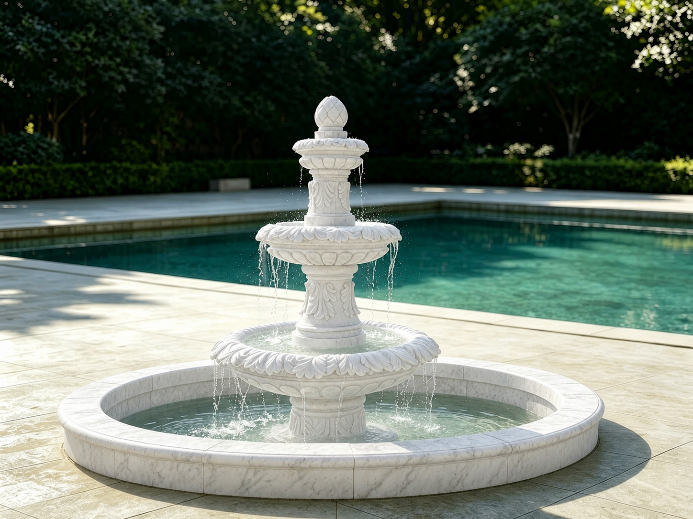
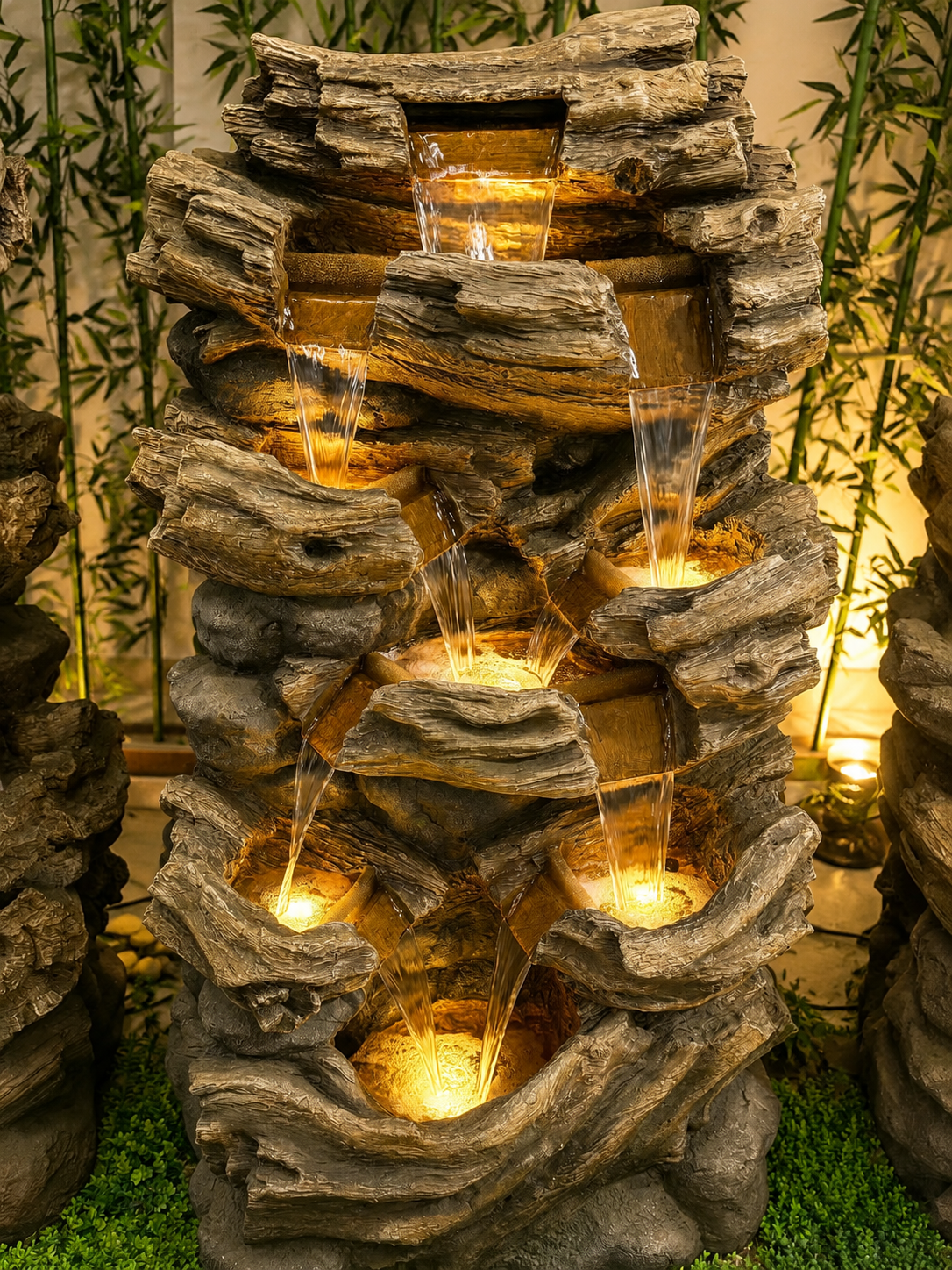
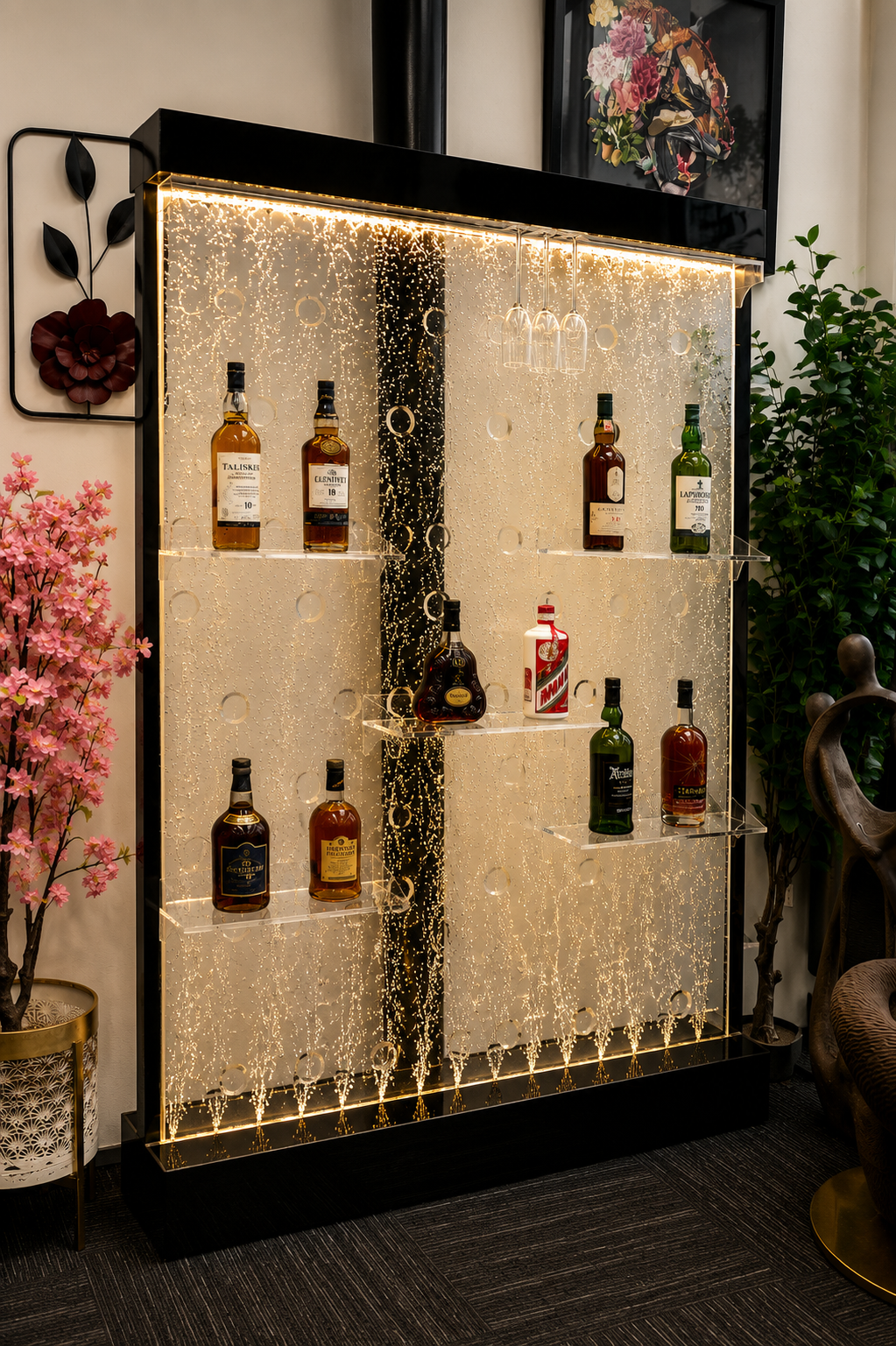
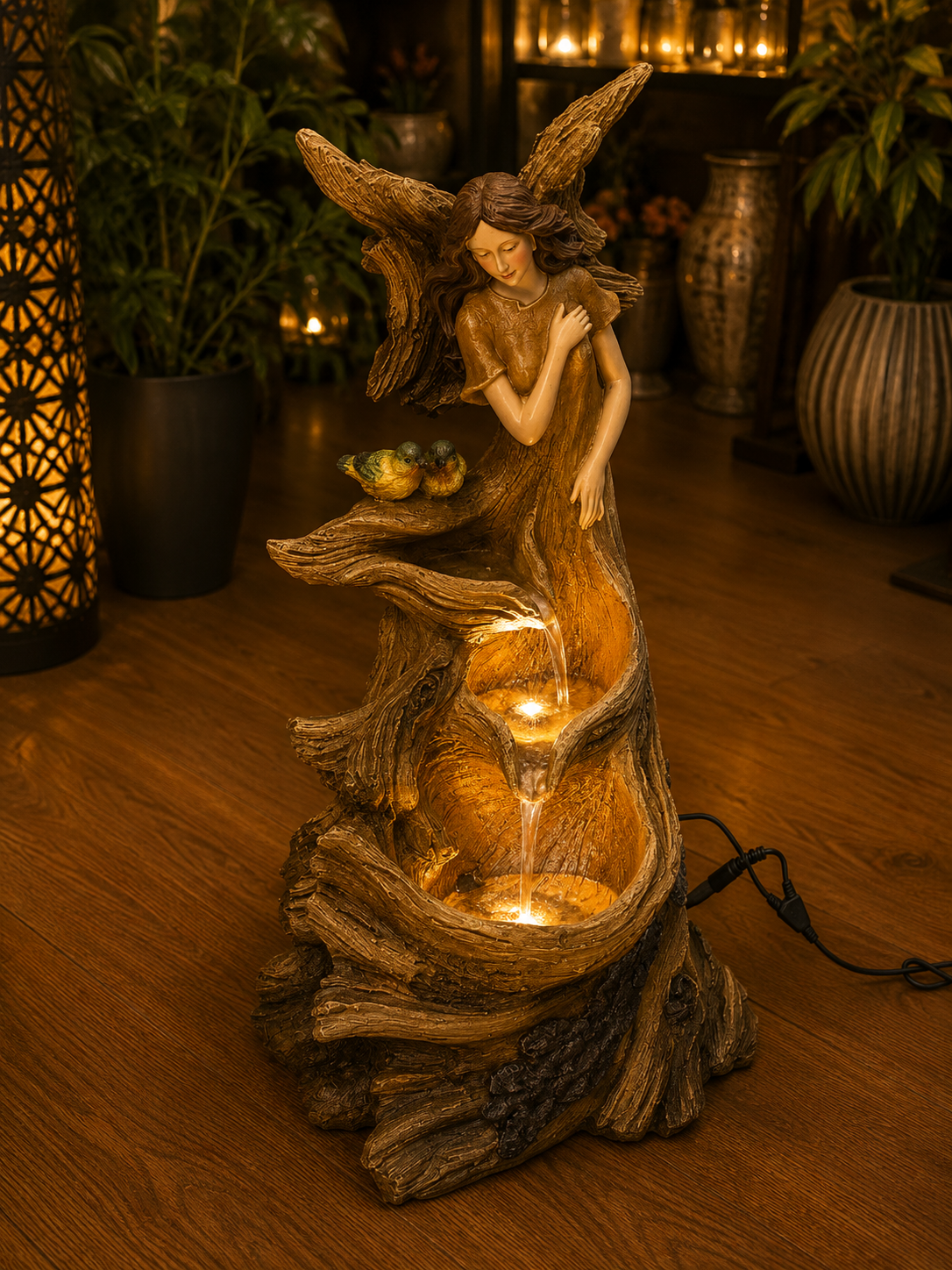


Outdoor Upgrade Event
Statement pieces for courtyards, gardens and entertaining areas.


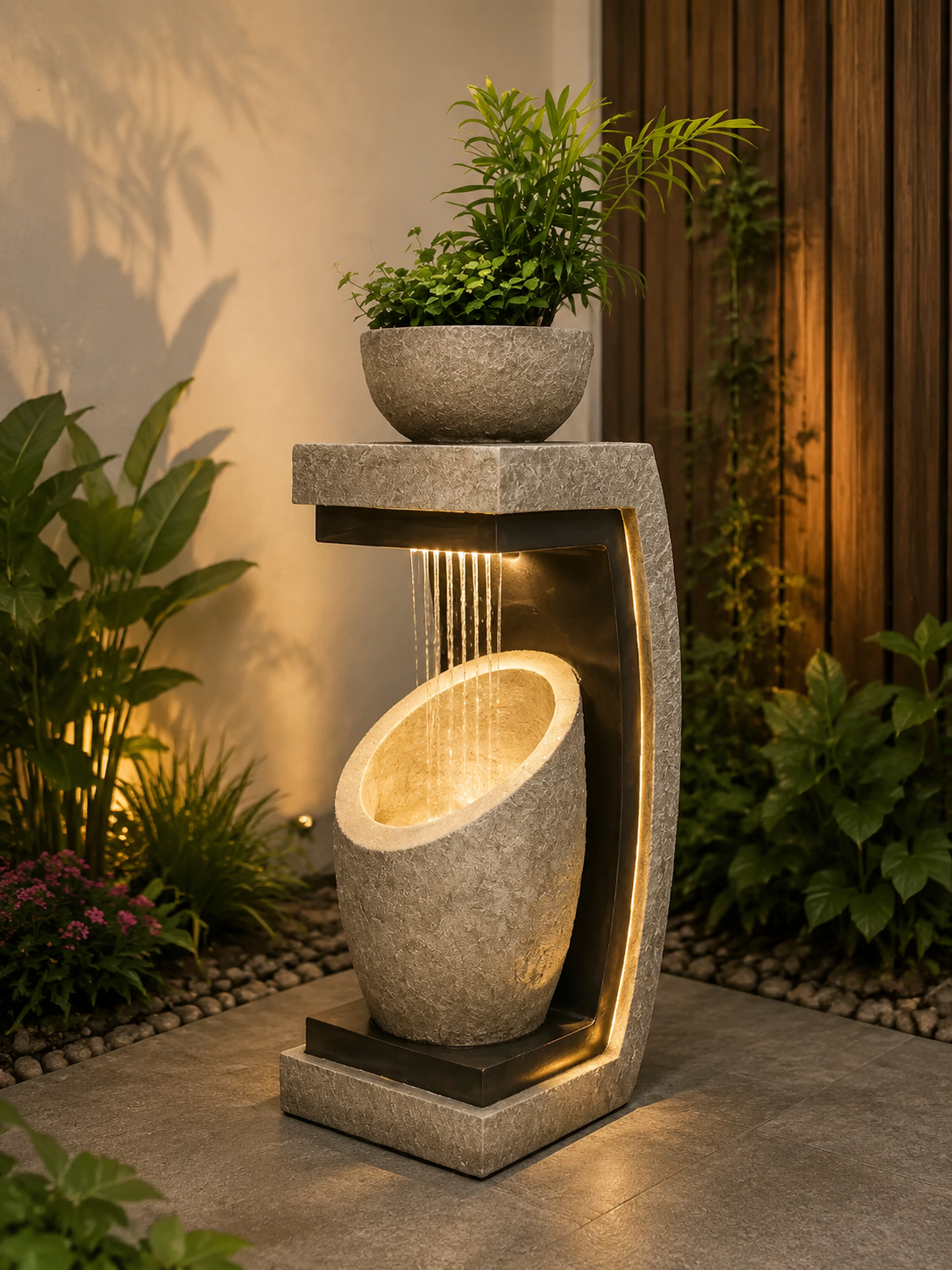
Vista Wall Fountain Fast Shipping

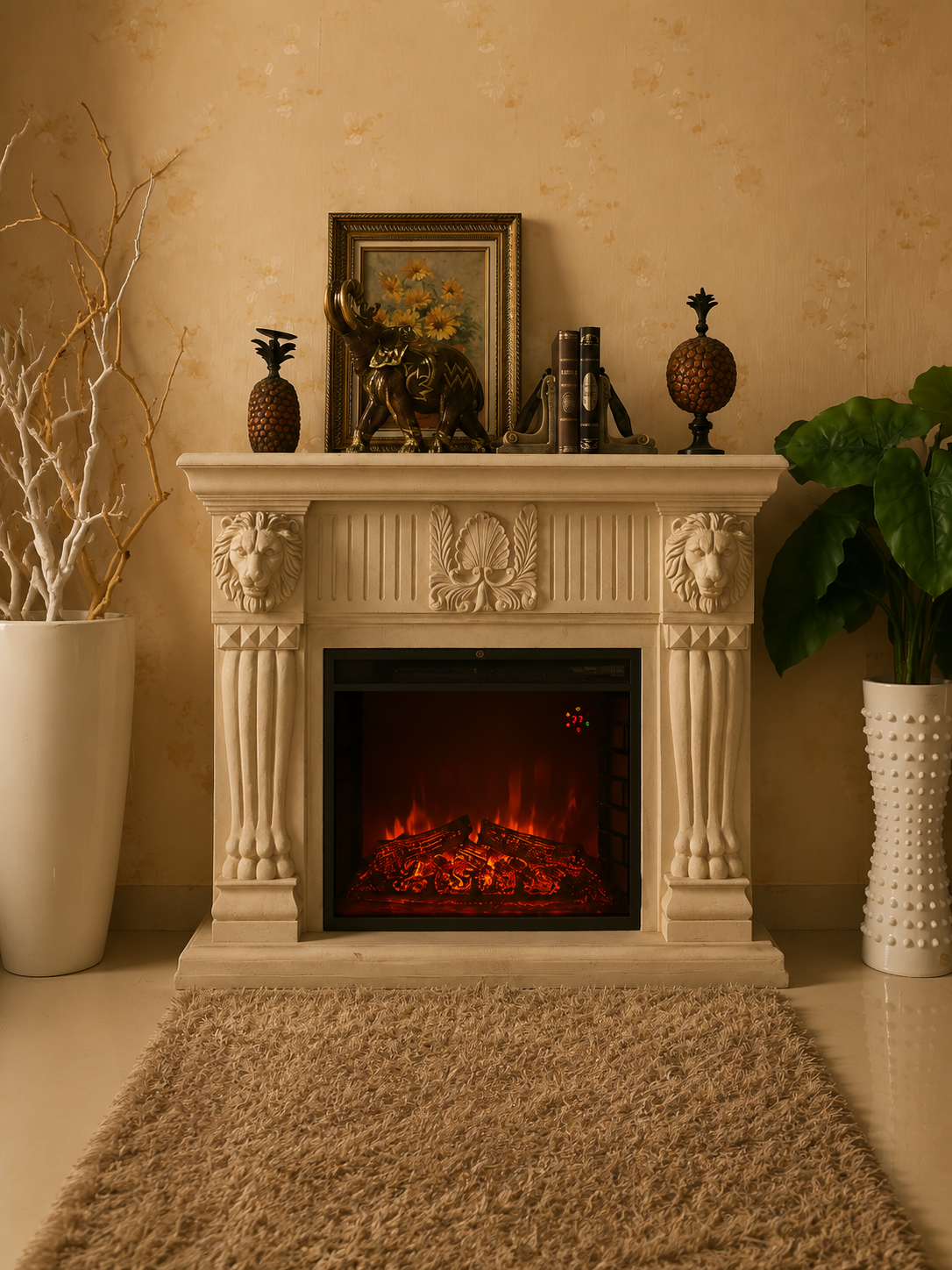
Palazzo Electric Fireplace Selling Fast FREE SHIPPING For Limited Time


A Legacy of Fragrance & Craftsmanship
Founded in Spain in 1899, Cereria Molla blends traditional craftsmanship with refined fragrances to create candles, diffusers, and bath essentials that bring warmth, character, and wellbeing to everyday moments.
Popular Items
Palazzo Electric Fireplace Selling Fast FREE SHIPPING For Limited Time

Wisdom Masterpiece Buddha Water Feature with Rain Effect

New Orleans Bar Cabinet Water Feature
Vista Wall Fountain Fast Shipping

Nambucca Absolutely Fantastic – Designer Water Feature by Fandango


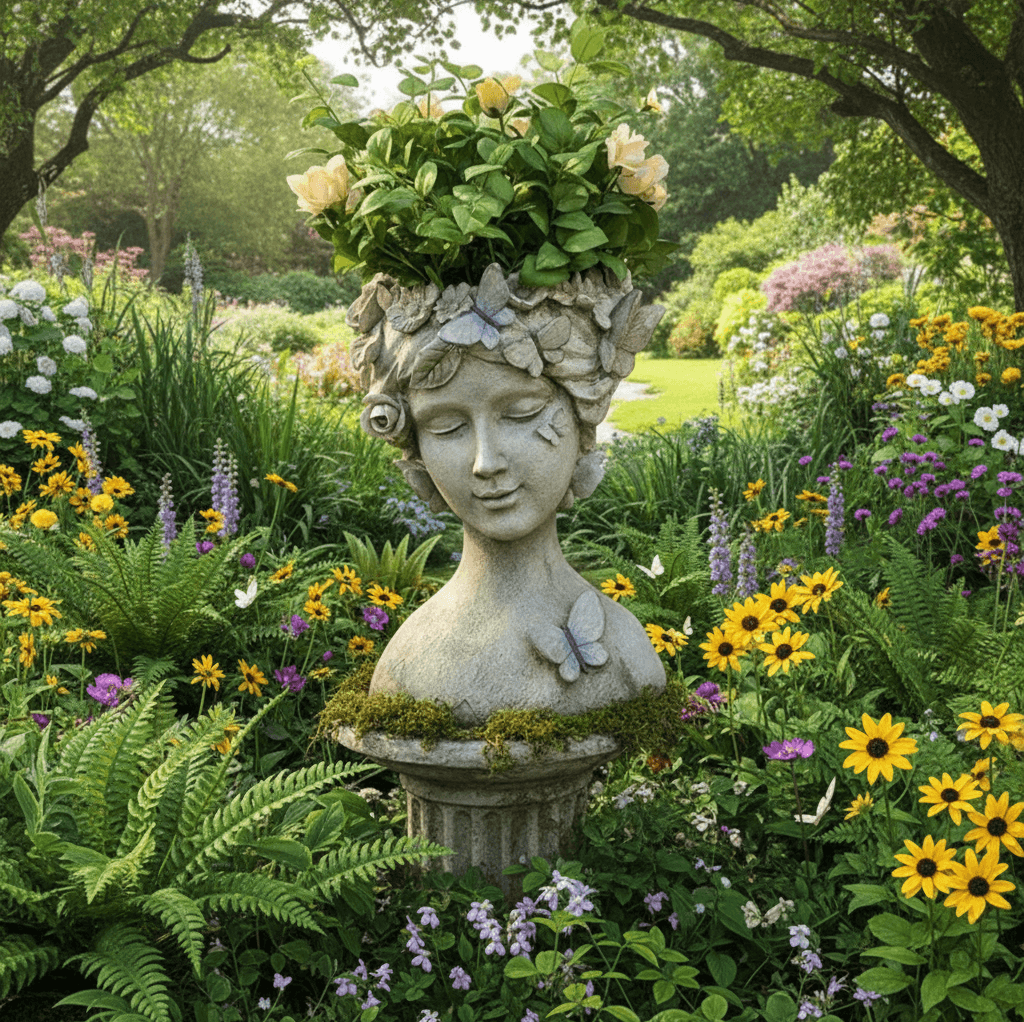
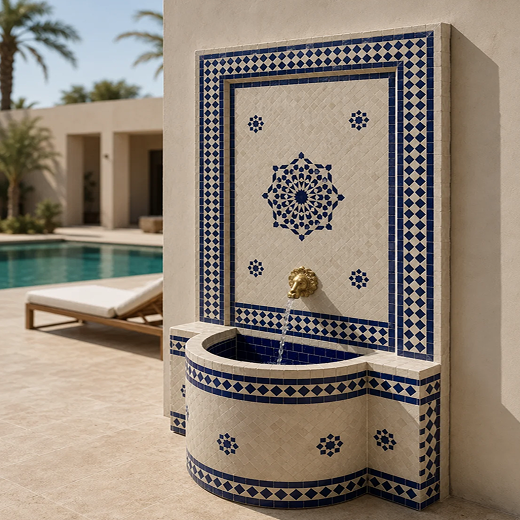
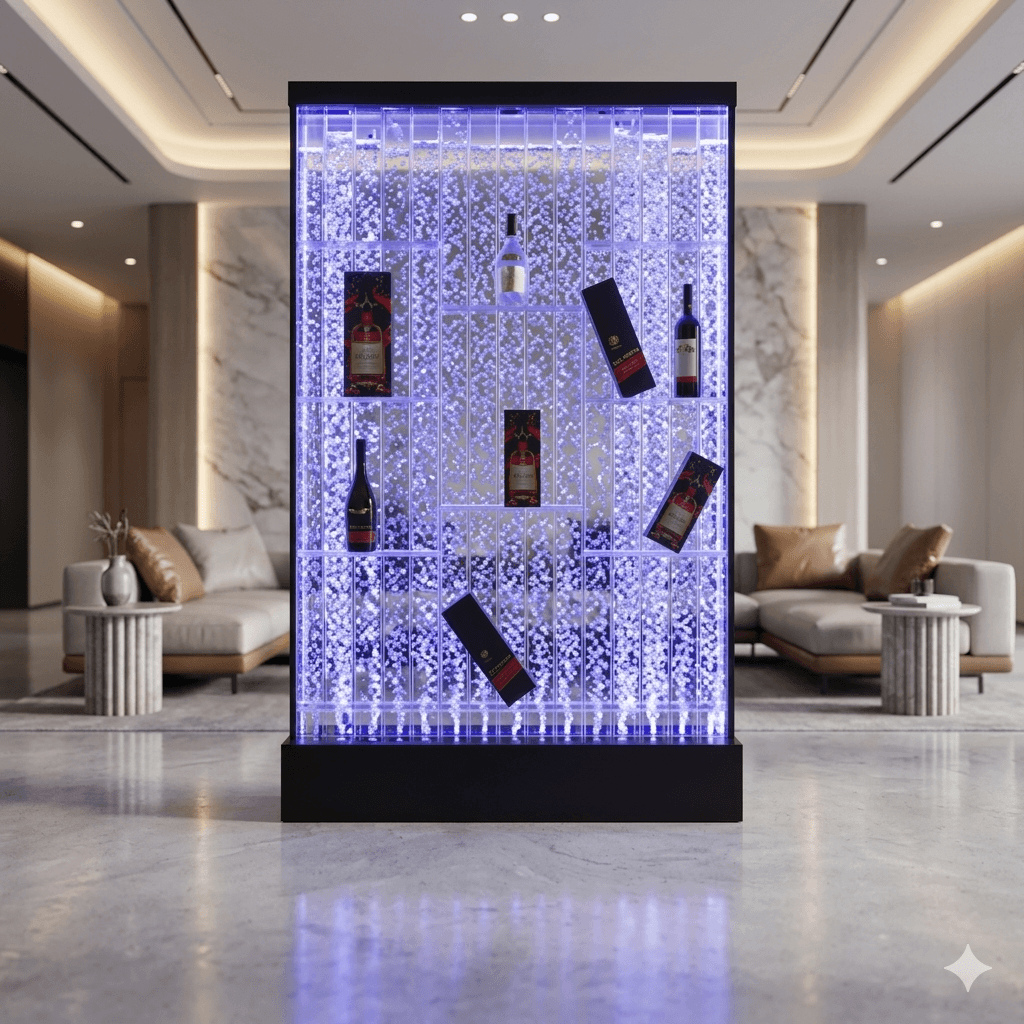
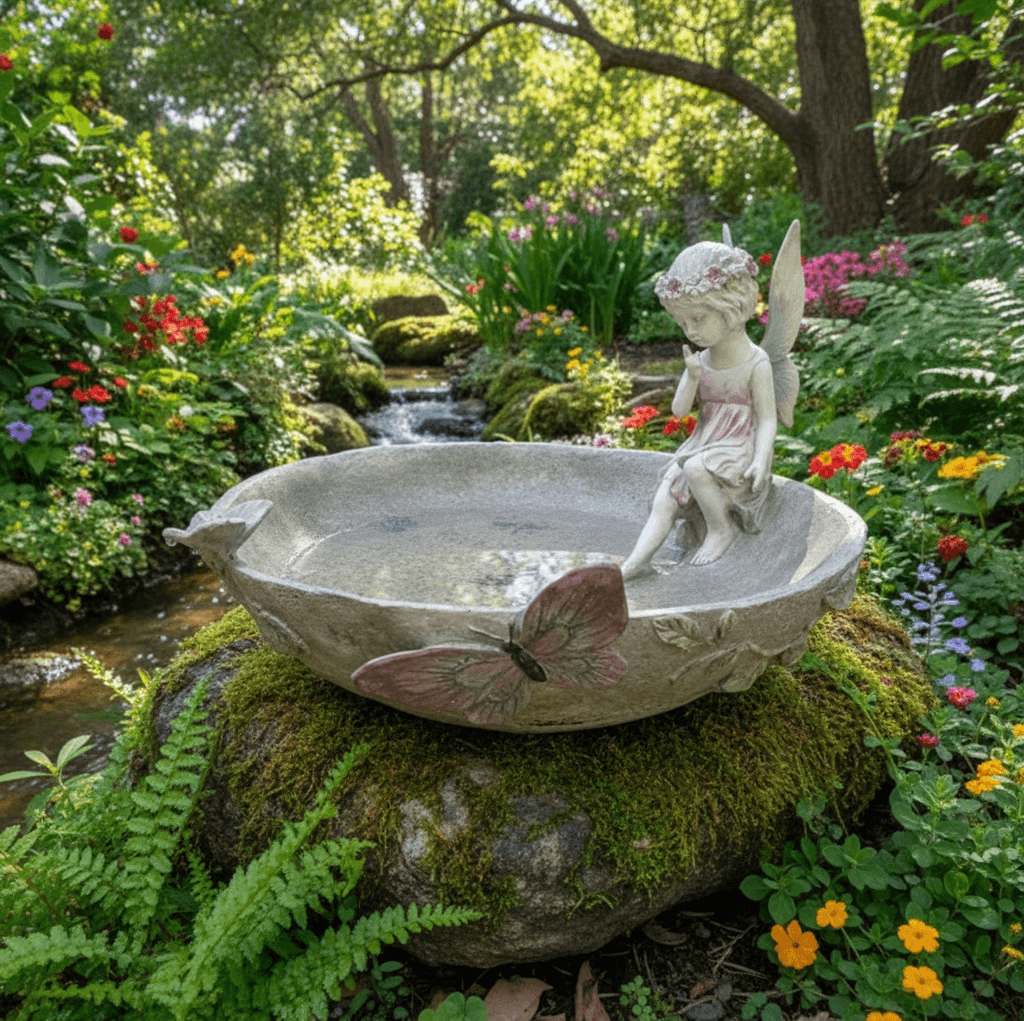
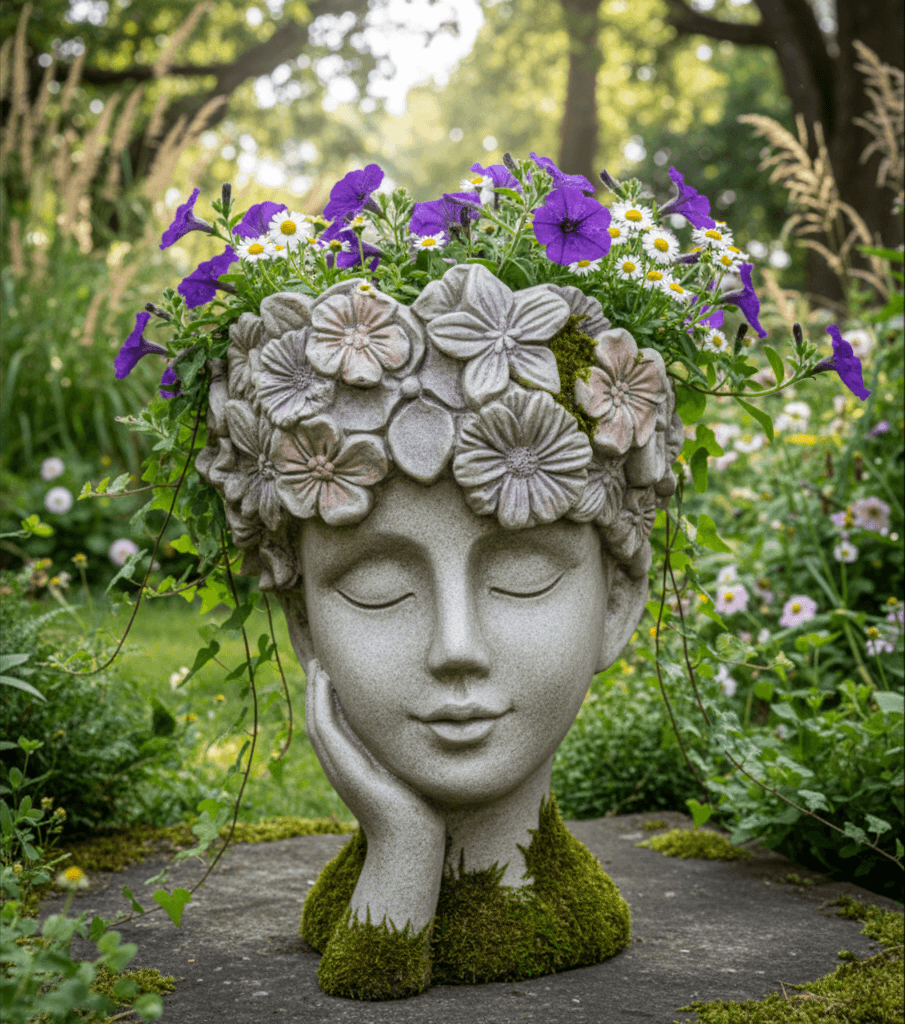
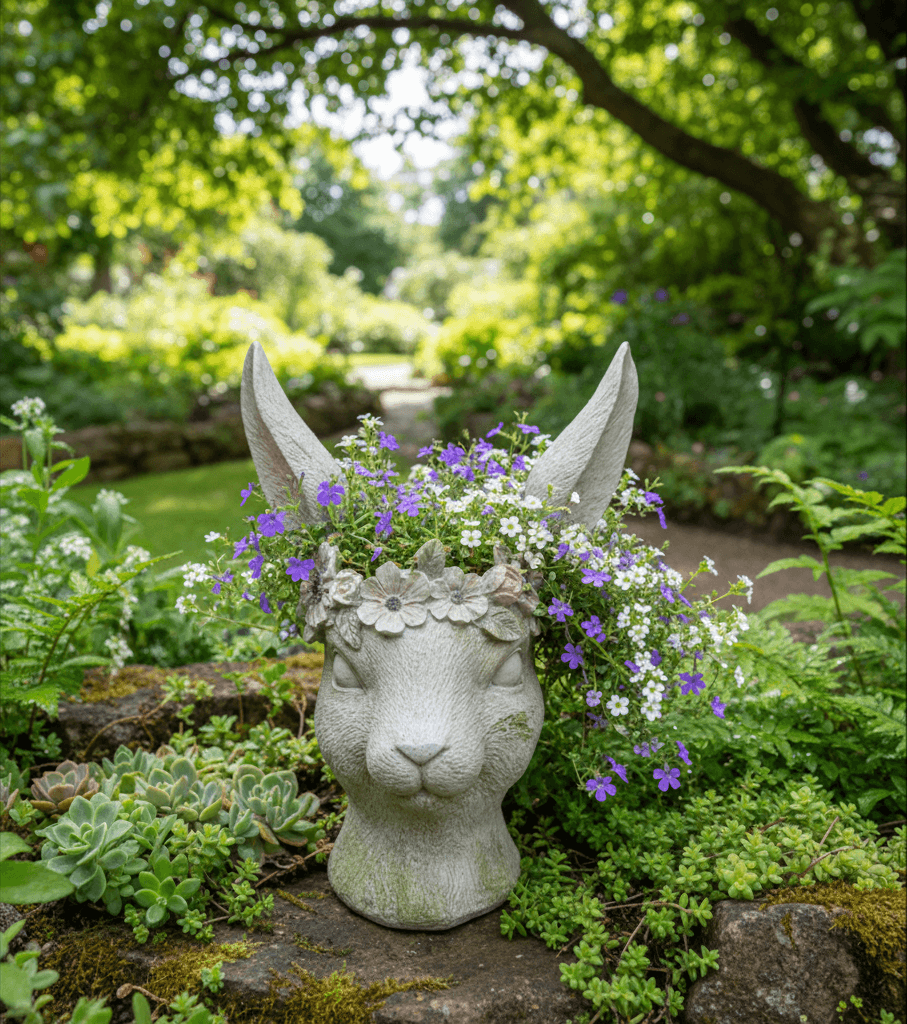

Planters & Pots

Andalusian Collection

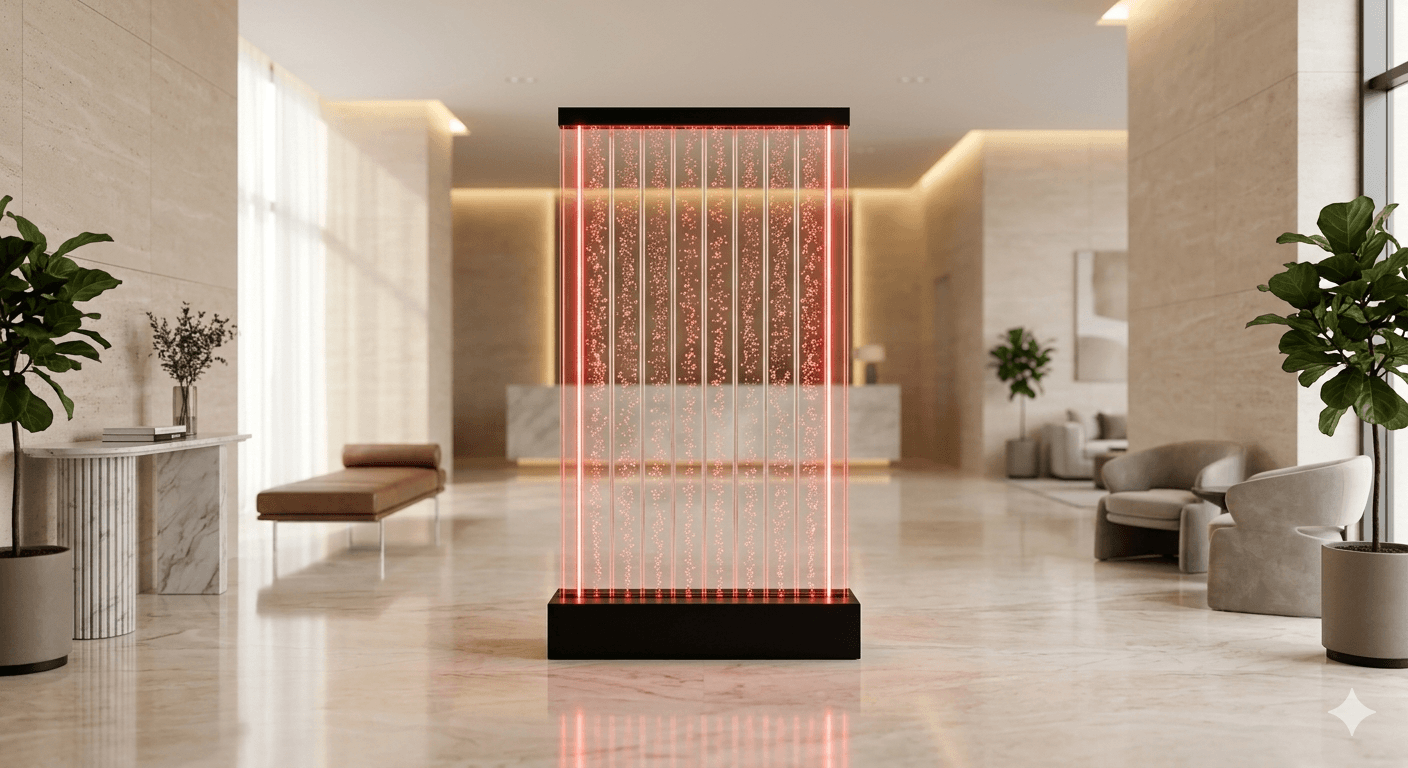
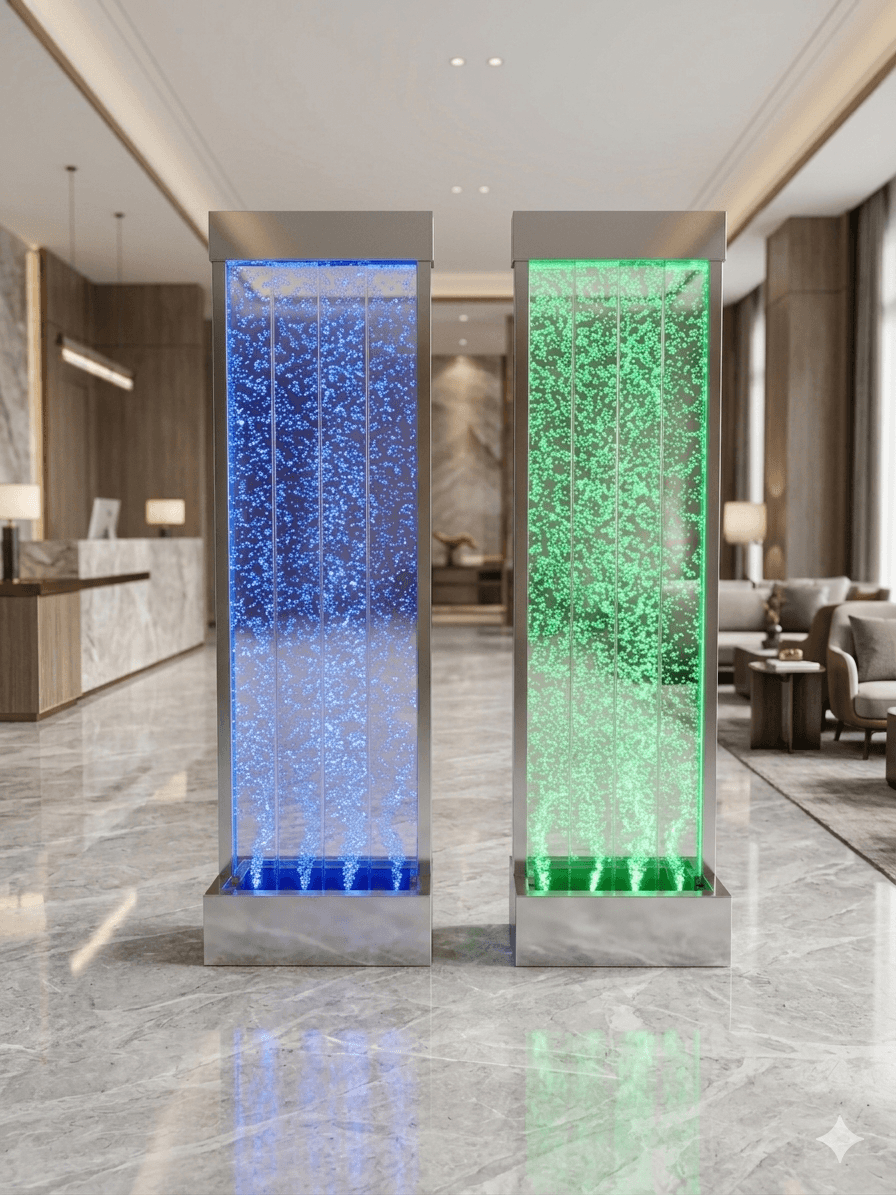
Bubble Walls

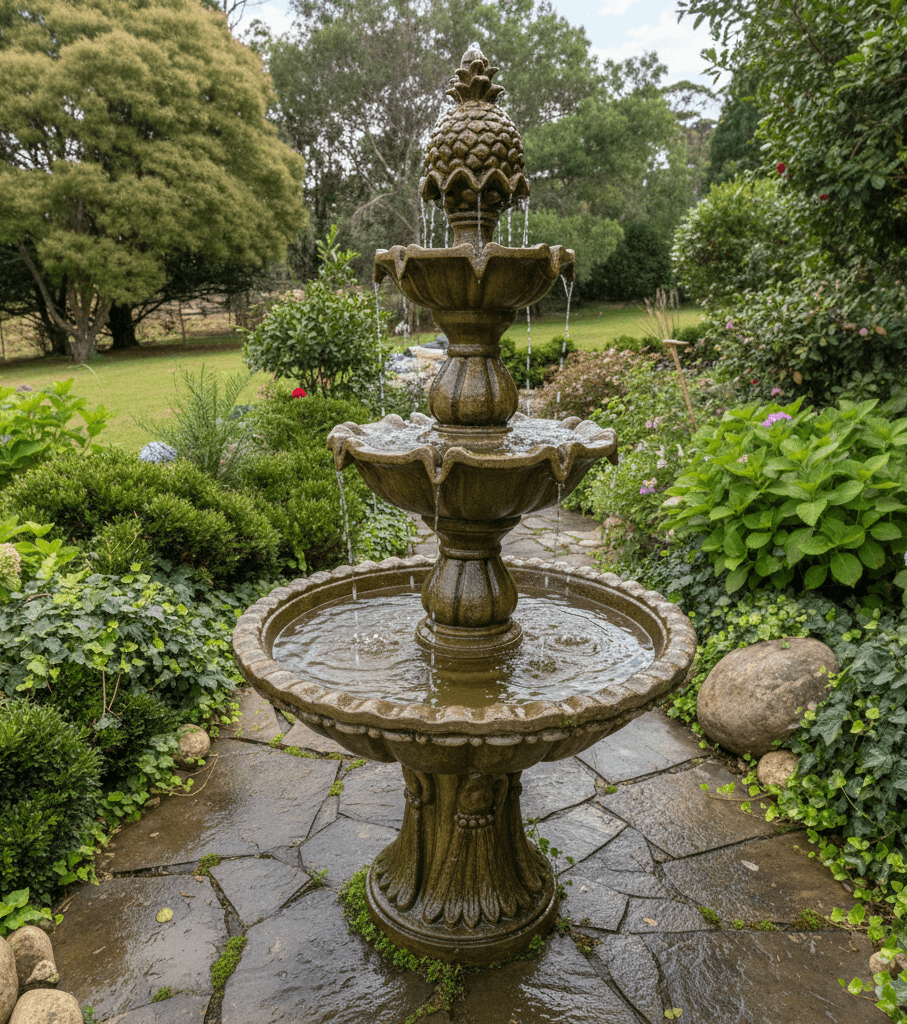
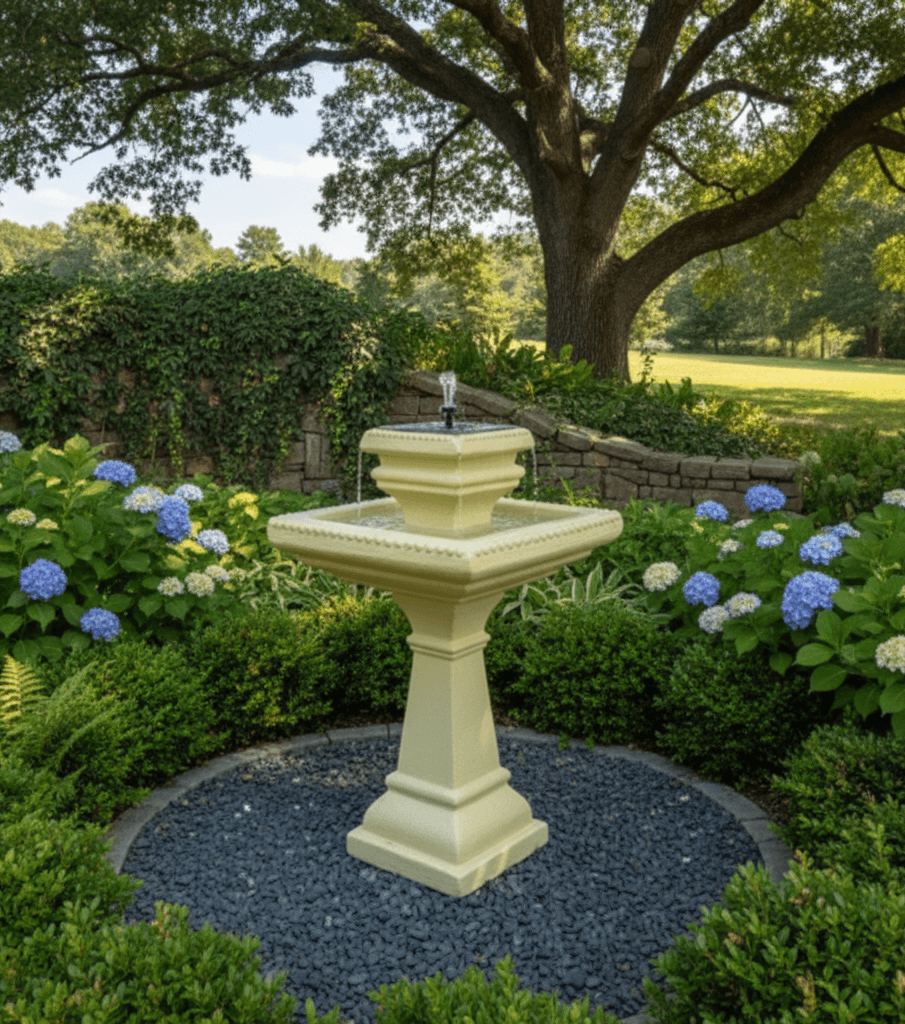
Birdbaths

Arriving 13 November: Our New Handcrafted Indonesian Collection
Meet Annibale, Mahadev, Vighnaharta, Padma and Banjo: five new fibre cement pieces handcrafted in Indonesia by ethical suppliers, arriving in Sydney 13 November 2026. Plus our 46-page Highlights Catalogue.
Arriving 13 November: Our New Handcrafted Indonesian Collection
Meet Annibale, Mahadev, Vighnaharta, Padma and Banjo: five new fibre cement pieces handcrafted in Indonesia by ethical suppliers, arriving in Sydney 13 November 2026. Plus our 46-page Highlights Catalogue.

Arriving 28 October: Our New Corten Steel Fountain Collection, and What's Coming Next
Our new corten steel fountain range lands in Sydney around 28 October 2026. Discover the collection, our 4–6 weekly new arrivals, and the marble, bronze, zellige and Moroccan mosaic pieces coming this spring and summer.
Arriving 28 October: Our New Corten Steel Fountain Collection, and What's Coming Next
Our new corten steel fountain range lands in Sydney around 28 October 2026. Discover the collection, our 4–6 weekly new arrivals, and the marble, bronze, zellige and Moroccan mosaic pieces coming this spring and summer.

Cast in Bronze: Why We Still Sculpt the People We Love
An introduction to Bespoke Bronze — commissioned statues and busts, launching soon at Fountain Store There is a moment that happens in almost every family. A box comes down from a cupboard, and inside it are photographs of someone who is no longer here. Everyone leans in. Someone says, that's exactly how he stood. And then the box goes back on the shelf for another few years. Photographs are precious. But they are flat, they fade, and they live in drawers. For more than three thousand years, when people have wanted to say this person mattered, and I want that to be obvious to anyone who walks into this room — they have reached for bronze. We think that instinct deserves to be available to more than museums and municipalities. Which is why we are preparing to launch Bespoke Bronze: commissioned statues and busts, sculpted from your own photographs and video, made to order in any size. An old, deliberate practice The technique has barely changed. Lost-wax casting — cire perdue — is the process by which a sculpture is reproduced in metal from an original model, and the oldest known examples come from the Indus Valley, dating back nearly 5,000 years (lost-wax casting, art history reference). By the time the Greeks were producing their masterpieces, the method was already ancient. The Riace Bronzes — two slightly-larger-than-life warriors cast around 460–450 BCE and recovered from the sea off Calabria in 1972 — were made using lost-wax casting, a process already old when they were made (Riace bronzes, Quiet Canvas). They spent roughly two thousand four hundred years underwater. They are still magnificent. Our commissions are made the same way. Not because we are sentimental about tradition, but because nothing better has been invented. Portraiture began as remembrance It is worth knowing where the portrait bust actually comes from, because it was never about vanity first. The Roman practice of making busts grew out of death masks taken from family members (Roman portrait sculpture). The imagines maiorum — likenesses of ancestors — were carried at funerals, walking ahead of the bier and sitting in the Forum during the public eulogy, a visible testament to the family's standing and continuity. A bust was how a family said: these are the people we come from. Centuries later, the same object was doing similar work in English country houses, where bust portraiture became central to how families presented themselves and their place in a longer story The impulse has not changed. Only the access has. What bronze actually gives you Bronze is the reason any of this survives. It is an alloy of copper and tin, and its great gift is the patina — that green, blue and brown surface that forms as the metal reacts slowly with air and moisture. Patina is not dirt and not decay. It is a thin protective layer of controlled oxidation that shields the metal beneath. The practical result: a properly cast and maintained bronze can realistically last 100 to 500 years outdoors, and centuries longer in sheltered conditions (Relong Sculpture). Indoors, a thousand years or more with minimal care (Landtop). How long any individual piece lasts comes down to three things: the quality of the casting, where it is placed, and how it is looked after (Bronzes Gallery). Two of those three are our responsibility. That is not a small thing to take on, and it is why we have been slow and careful in bringing this category to market. Patina is also a choice. Ferric nitrate produces browns and blacks; liver of sulphur gives browns through to greens and blues; cupric salts yield blues, greens and reds (patina chemistry). Applied hot or cold, by hand, by someone who has done it a thousand times. Your finish is a decision, not a default. Occasions people commission for We have spent a long time listening to why customers ask about this work. The reasons cluster more tightly than you might expect. To honour a life. A parent, a grandparent, a partner. Often commissioned in the year after a loss, when a family is looking for something more substantial than a plaque. To mark an achievement that took decades. A retirement after forty years in a trade. A business handed to a second generation. A doctorate finished late in life against the odds. To celebrate a beginning. The birth of a first child or a first grandchild. Some families commission at birth and keep the piece for the child's twenty-first. To recognise someone outside the family. A mentor. A coach. A founder. A long-serving colleague who quietly held an organisation together. For the ones who greeted you at the door. Pets are among the most requested commissions, and we would never treat them as lesser work. For community. Clubs, schools, temples, churches, RSLs, cultural associations and local councils marking their own histories and their own people. Eulogy in permanent form. Words said once, at a funeral, given a shape that stays in the house. What we are committing to A new category is easy to announce and harder to earn. Here is what we are holding ourselves to. Premium standing, honestly priced. Commissions start from $2,200 excluding GST and freight for a bust of approximately 50–65 cm. Every piece is individually quoted, because size, complexity and material genuinely change the cost. We will not quote a number we cannot stand behind, and we will tell you when an idea is not achievable within your budget rather than taking the deposit and hoping. You see it before it is set in metal. Around 8–10 days after your brief, we present a clay maquette. Two full rounds of revisions are included. Change the expression. Change the tilt of the head. Involve the whole family and argue about it. This is the stage where a likeness becomes right, and we would far rather spend time here than deliver something that is merely close. Materials chosen for longevity, sourced responsibly. Bronze is among the most genuinely recyclable materials in sculpture — copper and tin can be melted down and given new life repeatedly, and reclaimed copper is widely used in contemporary casting (sustainability in bronze sculpture). Modern silicon bronze also effectively eliminates the heavy metals present in historical alloys, limiting lead content to negligible levels (the ethics of contemporary bronze). We work with foundries that use recycled bronze where possible and that can tell us, on request, where their material came from. Craft properly paid for. Hand-sculpting, hand-chasing and hand-patination are skilled work performed by people. We price so that the artisans doing it are paid properly. A commission that seems suspiciously cheap is usually cheap because someone in the chain was not. Championing art, in all its forms We sell fountains, statues, basins and tiles. Across that catalogue we have come to believe something fairly simple: there is no single tradition that owns beauty. Our range already draws on Andalusian courtyards and Moorish tilework, on classical European carving, on Asian sculptural traditions, on the Mediterranean and on contemporary Australian design. A zellige fountain and a Renaissance marble pond can share a garden. A Buddha and a family bust can share a hallway. We have never seen a reason to rank these against each other. So when you commission a piece from us, we will sculpt whoever you ask us to sculpt, however you ask us to represent them. Any face. Any faith. Any family shape. Any cultural tradition of dress, posture, adornment or symbolism — and we will ask questions rather than assume, because getting a cultural detail wrong on a memorial is not a small error. On community. Our best work has always come through local relationships — with landscapers, designers, stonemasons, trades and the customers who send us photographs of their finished gardens years later. For this category we are actively interested in working with community organisations, clubs, schools and cultural associations on tribute and commemorative pieces, including at scales that are not commercially obvious for us. If you are a group trying to honour someone and the budget is tight, talk to us anyway. Launching soon Bespoke Bronze opens shortly. The process is deliberately unhurried: 1. Send photographs, video and a short brief, and confirm your preferred size 2. We provide a written quotation based on your chosen material and dimensions 3. A 30% deposit confirms your commission and schedules production 4. Concept sketch 5. Clay maquette at 8–10 days — two rounds of revisions included 6. Final approval locks the design 7. Casting and hand-finishing, approximately two weeks 8. Crated, insured and delivered Typical turnaround: 4–6 weeks. You may also elect to include an inscribed message, depending on the design chosen — a name, a date, a dedication, or a few words in your own voice. Register your interest now and we will contact you when commissions open, along with a guide to photographing a subject well. sales@fountainstore.com.au - 1300 848 094 Bespoke Bronze commissions are individually sculpted to each customer's specification. Full terms, including revision rounds, deposit and returns, are set out on the collection page.
Cast in Bronze: Why We Still Sculpt the People We Love
An introduction to Bespoke Bronze — commissioned statues and busts, launching soon at Fountain Store There is a moment that happens in almost every family. A box comes down from a cupboard, and inside it are photographs of someone who is no longer here. Everyone leans in. Someone says, that's exactly how he stood. And then the box goes back on the shelf for another few years. Photographs are precious. But they are flat, they fade, and they live in drawers. For more than three thousand years, when people have wanted to say this person mattered, and I want that to be obvious to anyone who walks into this room — they have reached for bronze. We think that instinct deserves to be available to more than museums and municipalities. Which is why we are preparing to launch Bespoke Bronze: commissioned statues and busts, sculpted from your own photographs and video, made to order in any size. An old, deliberate practice The technique has barely changed. Lost-wax casting — cire perdue — is the process by which a sculpture is reproduced in metal from an original model, and the oldest known examples come from the Indus Valley, dating back nearly 5,000 years (lost-wax casting, art history reference). By the time the Greeks were producing their masterpieces, the method was already ancient. The Riace Bronzes — two slightly-larger-than-life warriors cast around 460–450 BCE and recovered from the sea off Calabria in 1972 — were made using lost-wax casting, a process already old when they were made (Riace bronzes, Quiet Canvas). They spent roughly two thousand four hundred years underwater. They are still magnificent. Our commissions are made the same way. Not because we are sentimental about tradition, but because nothing better has been invented. Portraiture began as remembrance It is worth knowing where the portrait bust actually comes from, because it was never about vanity first. The Roman practice of making busts grew out of death masks taken from family members (Roman portrait sculpture). The imagines maiorum — likenesses of ancestors — were carried at funerals, walking ahead of the bier and sitting in the Forum during the public eulogy, a visible testament to the family's standing and continuity. A bust was how a family said: these are the people we come from. Centuries later, the same object was doing similar work in English country houses, where bust portraiture became central to how families presented themselves and their place in a longer story The impulse has not changed. Only the access has. What bronze actually gives you Bronze is the reason any of this survives. It is an alloy of copper and tin, and its great gift is the patina — that green, blue and brown surface that forms as the metal reacts slowly with air and moisture. Patina is not dirt and not decay. It is a thin protective layer of controlled oxidation that shields the metal beneath. The practical result: a properly cast and maintained bronze can realistically last 100 to 500 years outdoors, and centuries longer in sheltered conditions (Relong Sculpture). Indoors, a thousand years or more with minimal care (Landtop). How long any individual piece lasts comes down to three things: the quality of the casting, where it is placed, and how it is looked after (Bronzes Gallery). Two of those three are our responsibility. That is not a small thing to take on, and it is why we have been slow and careful in bringing this category to market. Patina is also a choice. Ferric nitrate produces browns and blacks; liver of sulphur gives browns through to greens and blues; cupric salts yield blues, greens and reds (patina chemistry). Applied hot or cold, by hand, by someone who has done it a thousand times. Your finish is a decision, not a default. Occasions people commission for We have spent a long time listening to why customers ask about this work. The reasons cluster more tightly than you might expect. To honour a life. A parent, a grandparent, a partner. Often commissioned in the year after a loss, when a family is looking for something more substantial than a plaque. To mark an achievement that took decades. A retirement after forty years in a trade. A business handed to a second generation. A doctorate finished late in life against the odds. To celebrate a beginning. The birth of a first child or a first grandchild. Some families commission at birth and keep the piece for the child's twenty-first. To recognise someone outside the family. A mentor. A coach. A founder. A long-serving colleague who quietly held an organisation together. For the ones who greeted you at the door. Pets are among the most requested commissions, and we would never treat them as lesser work. For community. Clubs, schools, temples, churches, RSLs, cultural associations and local councils marking their own histories and their own people. Eulogy in permanent form. Words said once, at a funeral, given a shape that stays in the house. What we are committing to A new category is easy to announce and harder to earn. Here is what we are holding ourselves to. Premium standing, honestly priced. Commissions start from $2,200 excluding GST and freight for a bust of approximately 50–65 cm. Every piece is individually quoted, because size, complexity and material genuinely change the cost. We will not quote a number we cannot stand behind, and we will tell you when an idea is not achievable within your budget rather than taking the deposit and hoping. You see it before it is set in metal. Around 8–10 days after your brief, we present a clay maquette. Two full rounds of revisions are included. Change the expression. Change the tilt of the head. Involve the whole family and argue about it. This is the stage where a likeness becomes right, and we would far rather spend time here than deliver something that is merely close. Materials chosen for longevity, sourced responsibly. Bronze is among the most genuinely recyclable materials in sculpture — copper and tin can be melted down and given new life repeatedly, and reclaimed copper is widely used in contemporary casting (sustainability in bronze sculpture). Modern silicon bronze also effectively eliminates the heavy metals present in historical alloys, limiting lead content to negligible levels (the ethics of contemporary bronze). We work with foundries that use recycled bronze where possible and that can tell us, on request, where their material came from. Craft properly paid for. Hand-sculpting, hand-chasing and hand-patination are skilled work performed by people. We price so that the artisans doing it are paid properly. A commission that seems suspiciously cheap is usually cheap because someone in the chain was not. Championing art, in all its forms We sell fountains, statues, basins and tiles. Across that catalogue we have come to believe something fairly simple: there is no single tradition that owns beauty. Our range already draws on Andalusian courtyards and Moorish tilework, on classical European carving, on Asian sculptural traditions, on the Mediterranean and on contemporary Australian design. A zellige fountain and a Renaissance marble pond can share a garden. A Buddha and a family bust can share a hallway. We have never seen a reason to rank these against each other. So when you commission a piece from us, we will sculpt whoever you ask us to sculpt, however you ask us to represent them. Any face. Any faith. Any family shape. Any cultural tradition of dress, posture, adornment or symbolism — and we will ask questions rather than assume, because getting a cultural detail wrong on a memorial is not a small error. On community. Our best work has always come through local relationships — with landscapers, designers, stonemasons, trades and the customers who send us photographs of their finished gardens years later. For this category we are actively interested in working with community organisations, clubs, schools and cultural associations on tribute and commemorative pieces, including at scales that are not commercially obvious for us. If you are a group trying to honour someone and the budget is tight, talk to us anyway. Launching soon Bespoke Bronze opens shortly. The process is deliberately unhurried: 1. Send photographs, video and a short brief, and confirm your preferred size 2. We provide a written quotation based on your chosen material and dimensions 3. A 30% deposit confirms your commission and schedules production 4. Concept sketch 5. Clay maquette at 8–10 days — two rounds of revisions included 6. Final approval locks the design 7. Casting and hand-finishing, approximately two weeks 8. Crated, insured and delivered Typical turnaround: 4–6 weeks. You may also elect to include an inscribed message, depending on the design chosen — a name, a date, a dedication, or a few words in your own voice. Register your interest now and we will contact you when commissions open, along with a guide to photographing a subject well. sales@fountainstore.com.au - 1300 848 094 Bespoke Bronze commissions are individually sculpted to each customer's specification. Full terms, including revision rounds, deposit and returns, are set out on the collection page.

The Warmth of Home: Why Candles Belong in Every Refined Interior
A beautifully considered home appeals to more than the eye. It should feel welcoming, calming and distinctly personal—the kind of space where guests linger, everyday routines become rituals, and every room has its own atmosphere. Candles are one of the simplest and most effective ways to create that feeling. For refined homeowners, passionate decorators and Australian style-setters, a quality candle is not merely a source of fragrance or soft light. It is an essential finishing touch: an object of beauty, an expression of taste and a powerful tool for turning a house into a home. The beauty of candlelight There is a reason candlelight has been valued for centuries. Its gentle, flickering glow softens a room in a way that overhead lighting cannot. It brings warmth to cool stone, texture to timber, depth to mirrors and a quiet sense of luxury to every setting. A candle can instantly change the mood of a space: Create a welcoming entryway by lighting a candle before guests arrive. Make a dining table feel more intimate, whether for a relaxed weekday meal or a special celebration. Turn a bathroom into a private retreat after a busy day. Add warmth to living areas during quiet evenings, entertaining or weekend gatherings. Make bedrooms feel restful and more thoughtfully curated. Unlike trend-led décor that can date quickly, candlelight remains timeless. It works just as beautifully in a contemporary coastal home, a classic Federation residence, a sculptural modern apartment or a lushly layered garden room. Fragrance creates an unforgettable home Scent has a remarkable ability to influence how we experience a room. A signature fragrance can make a home feel instantly recognisable and memorable—not unlike a favourite piece of art, a beautiful fountain or a much-loved antique. Thoughtfully chosen home fragrance can help establish the character of each space: Space Desired feeling Fragrance direction Entryway Welcoming, polished and memorable Citrus, florals, light woods Living room Relaxed, elegant and sociable Amber, sandalwood, fig, soft spices Dining area Warm and inviting Fresh herbs, citrus, gentle florals Bedroom Calm, private and restorative Lavender, musk, white florals, cedar Bathroom Clean, serene and spa-like Eucalyptus, bergamot, linen-inspired notes Outdoor entertaining space Layered, atmospheric and luxurious Mediterranean botanicals, citrus, herbs, woods The most successful fragrance choices enhance a room rather than overwhelm it. They become part of the background mood of daily life: subtly present when reading on the sofa, hosting friends, enjoying a long lunch or settling into a slower evening at home. Candles as decorative objects A premium candle earns its place in a home even before it is lit. The vessel, label, colour, scale and craftsmanship all contribute to a layered interior. For decorators, candles offer a highly versatile styling element. Place one on a coffee table beside a stack of design books; use a pair to bring symmetry to a console; group several in different heights on a dining sideboard; or position a candle beside a statement planter, sculpture or water feature-inspired decorative object. A few simple styling principles can make a substantial difference: Choose vessels that complement your existing finishes, whether marble, timber, brass, ceramic, glass or stone. Use candles in groups of two or three for visual balance, varying height and scale. Add a candle to transitional spaces—hallways, powder rooms, bedside tables and entry consoles—where small details make a home feel complete. Treat larger candles as centrepieces, especially on oversized dining tables, kitchen islands and outdoor entertaining tables. Reuse beautiful finished vessels as small planters, storage containers or decorative holders where appropriate. In a carefully styled home, these details are never incidental. They are what make a space feel collected, generous and lived in. A ritual for slower living Modern life is busy, particularly for people balancing work, family, entertaining and the demands of a beautifully run home. Lighting a candle is a small but meaningful act of intention. It signals a transition: from work to evening, from busy to calm, from ordinary to special. This simple ritual can support moments that matter: Light a candle while preparing dinner and transform cooking into an enjoyable wind-down ritual. Burn a favourite fragrance during a bath, skincare routine or quiet Sunday morning. Use candlelight at the table to make family dinners and celebrations feel more occasion-worthy. Welcome visitors with a softly scented, warmly lit home. Create an evening reading corner with a candle, a comfortable chair and a beautiful throw. Luxury is often found in these repeatable, everyday pleasures. It does not need to be extravagant or reserved for a special event. A premium candle brings a sense of occasion to the moments already happening in your home. Why quality matters Not all candles are created equally. A truly premium candle is defined by more than a beautiful scent at first smell. It should offer fragrance depth, a balanced aroma, quality materials, attractive presentation and a burn experience worthy of its place in a refined home. When selecting candles for your interiors or as gifts, look for: A complex, well-composed fragrance that develops beautifully in the room. Quality wax and carefully selected fragrance ingredients. A well-made wick designed to support an even, consistent burn. A generous scent throw that is present without becoming overpowering. An elegant vessel that complements your décor and can be appreciated long after the candle is finished. Packaging and presentation that feel suitable for gifting. A premium candle is a small investment in atmosphere. It offers visual beauty, fragrance and experience all at once—making it one of the most rewarding additions to a well-appointed home. A natural fit for Fountain Store At Fountain Store, we have always believed that a home and garden should feel like an extension of the people who live there: individual, elegant, welcoming and layered with pieces that tell a story. From water features that create movement and tranquillity to garden statues, decorative accents and statement pieces that transform outdoor spaces, our collection is designed for customers who value character and craftsmanship. Candles are a natural extension of that philosophy. Water and fragrance both shape atmosphere in subtle, sensory ways. The gentle sound of moving water can create calm in a garden or courtyard, while the soft glow and scent of a candle bring the same sense of sanctuary indoors. Together, they help create homes that feel intentional rather than simply furnished. Introducing Cereria Mollá From September 2026, Fountain Store will be proud to introduce Cereria Mollá, a distinguished Spanish home-fragrance brand that reflects the quality, heritage and decorative sensibility our customers seek. Cereria Mollá brings a rich tradition of Spanish candlemaking to the contemporary home. Its collections are designed for those who appreciate refined fragrance, exceptional presentation and the kind of considered detail that elevates a room. These are candles created not simply to scent a space, but to become part of its story. The partnership feels especially fitting because Fountain Store and Cereria Mollá share an affinity for Spanish-inspired living: warmth, hospitality, beauty, craftsmanship and an appreciation for the art of gathering. Both brands understand that a home should be a sensory experience—a place enriched by sound, light, fragrance, texture and enduring design. For Australian homeowners with an eye for premium décor, Cereria Mollá will offer a beautiful new way to bring European sophistication into everyday living. Whether styled in a coastal retreat, an inner-city apartment, a heritage home or an entertainer’s garden pavilion, these candles are designed to feel both luxurious and effortlessly at home. Coming to Fountain Store in September 2026 For those who seek more than ordinary home décor, Cereria Mollá will be an exciting new arrival. It is a brand for thoughtful gifters, keen decorators, lovers of beautiful interiors and trend-setters who understand that true style is felt as much as it is seen. This September, discover Cereria Mollá at Fountain Store and experience the quiet luxury of exceptional Spanish fragrance. Pair the soft glow of a premium candle with the tranquil movement of water, beautiful garden décor and the details that make your home unmistakably yours. Because the most memorable homes do not just look beautiful—they create a feeling that stays with you.
The Warmth of Home: Why Candles Belong in Every Refined Interior
A beautifully considered home appeals to more than the eye. It should feel welcoming, calming and distinctly personal—the kind of space where guests linger, everyday routines become rituals, and every room has its own atmosphere. Candles are one of the simplest and most effective ways to create that feeling. For refined homeowners, passionate decorators and Australian style-setters, a quality candle is not merely a source of fragrance or soft light. It is an essential finishing touch: an object of beauty, an expression of taste and a powerful tool for turning a house into a home. The beauty of candlelight There is a reason candlelight has been valued for centuries. Its gentle, flickering glow softens a room in a way that overhead lighting cannot. It brings warmth to cool stone, texture to timber, depth to mirrors and a quiet sense of luxury to every setting. A candle can instantly change the mood of a space: Create a welcoming entryway by lighting a candle before guests arrive. Make a dining table feel more intimate, whether for a relaxed weekday meal or a special celebration. Turn a bathroom into a private retreat after a busy day. Add warmth to living areas during quiet evenings, entertaining or weekend gatherings. Make bedrooms feel restful and more thoughtfully curated. Unlike trend-led décor that can date quickly, candlelight remains timeless. It works just as beautifully in a contemporary coastal home, a classic Federation residence, a sculptural modern apartment or a lushly layered garden room. Fragrance creates an unforgettable home Scent has a remarkable ability to influence how we experience a room. A signature fragrance can make a home feel instantly recognisable and memorable—not unlike a favourite piece of art, a beautiful fountain or a much-loved antique. Thoughtfully chosen home fragrance can help establish the character of each space: Space Desired feeling Fragrance direction Entryway Welcoming, polished and memorable Citrus, florals, light woods Living room Relaxed, elegant and sociable Amber, sandalwood, fig, soft spices Dining area Warm and inviting Fresh herbs, citrus, gentle florals Bedroom Calm, private and restorative Lavender, musk, white florals, cedar Bathroom Clean, serene and spa-like Eucalyptus, bergamot, linen-inspired notes Outdoor entertaining space Layered, atmospheric and luxurious Mediterranean botanicals, citrus, herbs, woods The most successful fragrance choices enhance a room rather than overwhelm it. They become part of the background mood of daily life: subtly present when reading on the sofa, hosting friends, enjoying a long lunch or settling into a slower evening at home. Candles as decorative objects A premium candle earns its place in a home even before it is lit. The vessel, label, colour, scale and craftsmanship all contribute to a layered interior. For decorators, candles offer a highly versatile styling element. Place one on a coffee table beside a stack of design books; use a pair to bring symmetry to a console; group several in different heights on a dining sideboard; or position a candle beside a statement planter, sculpture or water feature-inspired decorative object. A few simple styling principles can make a substantial difference: Choose vessels that complement your existing finishes, whether marble, timber, brass, ceramic, glass or stone. Use candles in groups of two or three for visual balance, varying height and scale. Add a candle to transitional spaces—hallways, powder rooms, bedside tables and entry consoles—where small details make a home feel complete. Treat larger candles as centrepieces, especially on oversized dining tables, kitchen islands and outdoor entertaining tables. Reuse beautiful finished vessels as small planters, storage containers or decorative holders where appropriate. In a carefully styled home, these details are never incidental. They are what make a space feel collected, generous and lived in. A ritual for slower living Modern life is busy, particularly for people balancing work, family, entertaining and the demands of a beautifully run home. Lighting a candle is a small but meaningful act of intention. It signals a transition: from work to evening, from busy to calm, from ordinary to special. This simple ritual can support moments that matter: Light a candle while preparing dinner and transform cooking into an enjoyable wind-down ritual. Burn a favourite fragrance during a bath, skincare routine or quiet Sunday morning. Use candlelight at the table to make family dinners and celebrations feel more occasion-worthy. Welcome visitors with a softly scented, warmly lit home. Create an evening reading corner with a candle, a comfortable chair and a beautiful throw. Luxury is often found in these repeatable, everyday pleasures. It does not need to be extravagant or reserved for a special event. A premium candle brings a sense of occasion to the moments already happening in your home. Why quality matters Not all candles are created equally. A truly premium candle is defined by more than a beautiful scent at first smell. It should offer fragrance depth, a balanced aroma, quality materials, attractive presentation and a burn experience worthy of its place in a refined home. When selecting candles for your interiors or as gifts, look for: A complex, well-composed fragrance that develops beautifully in the room. Quality wax and carefully selected fragrance ingredients. A well-made wick designed to support an even, consistent burn. A generous scent throw that is present without becoming overpowering. An elegant vessel that complements your décor and can be appreciated long after the candle is finished. Packaging and presentation that feel suitable for gifting. A premium candle is a small investment in atmosphere. It offers visual beauty, fragrance and experience all at once—making it one of the most rewarding additions to a well-appointed home. A natural fit for Fountain Store At Fountain Store, we have always believed that a home and garden should feel like an extension of the people who live there: individual, elegant, welcoming and layered with pieces that tell a story. From water features that create movement and tranquillity to garden statues, decorative accents and statement pieces that transform outdoor spaces, our collection is designed for customers who value character and craftsmanship. Candles are a natural extension of that philosophy. Water and fragrance both shape atmosphere in subtle, sensory ways. The gentle sound of moving water can create calm in a garden or courtyard, while the soft glow and scent of a candle bring the same sense of sanctuary indoors. Together, they help create homes that feel intentional rather than simply furnished. Introducing Cereria Mollá From September 2026, Fountain Store will be proud to introduce Cereria Mollá, a distinguished Spanish home-fragrance brand that reflects the quality, heritage and decorative sensibility our customers seek. Cereria Mollá brings a rich tradition of Spanish candlemaking to the contemporary home. Its collections are designed for those who appreciate refined fragrance, exceptional presentation and the kind of considered detail that elevates a room. These are candles created not simply to scent a space, but to become part of its story. The partnership feels especially fitting because Fountain Store and Cereria Mollá share an affinity for Spanish-inspired living: warmth, hospitality, beauty, craftsmanship and an appreciation for the art of gathering. Both brands understand that a home should be a sensory experience—a place enriched by sound, light, fragrance, texture and enduring design. For Australian homeowners with an eye for premium décor, Cereria Mollá will offer a beautiful new way to bring European sophistication into everyday living. Whether styled in a coastal retreat, an inner-city apartment, a heritage home or an entertainer’s garden pavilion, these candles are designed to feel both luxurious and effortlessly at home. Coming to Fountain Store in September 2026 For those who seek more than ordinary home décor, Cereria Mollá will be an exciting new arrival. It is a brand for thoughtful gifters, keen decorators, lovers of beautiful interiors and trend-setters who understand that true style is felt as much as it is seen. This September, discover Cereria Mollá at Fountain Store and experience the quiet luxury of exceptional Spanish fragrance. Pair the soft glow of a premium candle with the tranquil movement of water, beautiful garden décor and the details that make your home unmistakably yours. Because the most memorable homes do not just look beautiful—they create a feeling that stays with you.

Best Spring Garden Features for 2026: Why Fountains Top the List
As spring rolls in across Australia, gardens are shifting from dormant winter beds to lush, lived-in outdoor spaces — and 2026's leading design trends all point in the same direction: water. Better Homes & Gardens Australia names water features as the top garden trend experts are seeing right now, alongside natural stone and layered planting, while The Balcony Garden points to "organic minimalism" — soft, sculptural shapes that echo nature — as the defining look for 2026. A well-chosen fountain checks both boxes: it's sculptural, natural in feel, and instantly elevates a garden that's otherwise just planting and paving.bhg.com+1 Why fountains are having a moment this spring Australian landscape designers are also predicting a strong shift toward outdoor living zones built for relaxation and entertaining rather than pure lawn maintenance (Domain, Inspiring Landscapes). A fountain fits naturally into that shift — it turns a courtyard or garden bed into a genuine retreat rather than just a backdrop. Beyond the aesthetic, there are real, practical reasons spring is the ideal time to add one:domain.com+1 Instant calm. The sound of moving water is widely reported to lower stress and encourage relaxation, making it one of the simplest ways to turn an outdoor space into a wind-down zone. A magnet for birdlife. As spring migration ramps up, birds are actively searching for reliable water. The Cornell Lab of Ornithology notes that moving water acts as an auditory beacon for migratory species, and fountains stay cleaner and more oxygenated than still water, discouraging mosquitoes while keeping birds coming back (Water Fountain Online, House Digest).housedigest+1 Natural cooling as temperatures rise. As Australian spring heats up toward summer, the evaporative effect of a fountain can noticeably cool the immediate area, making outdoor seating spots more comfortable. A genuine focal point. Whether it's a classical tiered piece or a bold lion-head design, a fountain gives a garden the kind of visual anchor that ties layered spring planting together — and several sources note well-chosen water features can add to a property's overall appeal. Which fountain style suits your spring refresh? Small tiered bird baths are perfect if you're working with a courtyard, balcony or smaller bed — self-contained and free-standing, they need no plumbing and give birds a fresh water source right through the migratory season. Classical tiered fountains (beige tones, symmetrical spouts) suit traditional and Mediterranean-style spring gardens and work beautifully as an entrance or courtyard centrepiece. Multi-spout and jug fountains bring a richer, layered water sound — ideal if you want your fountain to be heard as much as seen from a seating area. Tall European-style fountains with planters are the standout choice if you want your spring garden to make a real statement — the built-in planter also lets you layer in seasonal spring blooms directly into the fountain design, tying straight into 2026's "abundant, layered planting" trend. LED-lit fountains extend your spring garden's impact into the evening, which matters as daylight hours stretch out and outdoor entertaining picks up. Choosing the right fit Match the fountain's footprint to your space before its style — a large European tower needs real breathing room, while a compact bird bath or small classical piece can transform a courtyard corner without overwhelming it. If bird activity is a priority this spring, prioritise multi-tier or multi-spout designs, since more drop points create more surface movement and a stronger auditory signal for passing birds. Ready to add water to your spring garden? Whether you're after a compact bird bath, a classical centrepiece, or a tall European statement fountain with built-in lighting, browse Fountain Store's spring range to find the piece that fits your space — and get it in place before the season's peak birdlife and entertaining months arrive.
Best Spring Garden Features for 2026: Why Fountains Top the List
As spring rolls in across Australia, gardens are shifting from dormant winter beds to lush, lived-in outdoor spaces — and 2026's leading design trends all point in the same direction: water. Better Homes & Gardens Australia names water features as the top garden trend experts are seeing right now, alongside natural stone and layered planting, while The Balcony Garden points to "organic minimalism" — soft, sculptural shapes that echo nature — as the defining look for 2026. A well-chosen fountain checks both boxes: it's sculptural, natural in feel, and instantly elevates a garden that's otherwise just planting and paving.bhg.com+1 Why fountains are having a moment this spring Australian landscape designers are also predicting a strong shift toward outdoor living zones built for relaxation and entertaining rather than pure lawn maintenance (Domain, Inspiring Landscapes). A fountain fits naturally into that shift — it turns a courtyard or garden bed into a genuine retreat rather than just a backdrop. Beyond the aesthetic, there are real, practical reasons spring is the ideal time to add one:domain.com+1 Instant calm. The sound of moving water is widely reported to lower stress and encourage relaxation, making it one of the simplest ways to turn an outdoor space into a wind-down zone. A magnet for birdlife. As spring migration ramps up, birds are actively searching for reliable water. The Cornell Lab of Ornithology notes that moving water acts as an auditory beacon for migratory species, and fountains stay cleaner and more oxygenated than still water, discouraging mosquitoes while keeping birds coming back (Water Fountain Online, House Digest).housedigest+1 Natural cooling as temperatures rise. As Australian spring heats up toward summer, the evaporative effect of a fountain can noticeably cool the immediate area, making outdoor seating spots more comfortable. A genuine focal point. Whether it's a classical tiered piece or a bold lion-head design, a fountain gives a garden the kind of visual anchor that ties layered spring planting together — and several sources note well-chosen water features can add to a property's overall appeal. Which fountain style suits your spring refresh? Small tiered bird baths are perfect if you're working with a courtyard, balcony or smaller bed — self-contained and free-standing, they need no plumbing and give birds a fresh water source right through the migratory season. Classical tiered fountains (beige tones, symmetrical spouts) suit traditional and Mediterranean-style spring gardens and work beautifully as an entrance or courtyard centrepiece. Multi-spout and jug fountains bring a richer, layered water sound — ideal if you want your fountain to be heard as much as seen from a seating area. Tall European-style fountains with planters are the standout choice if you want your spring garden to make a real statement — the built-in planter also lets you layer in seasonal spring blooms directly into the fountain design, tying straight into 2026's "abundant, layered planting" trend. LED-lit fountains extend your spring garden's impact into the evening, which matters as daylight hours stretch out and outdoor entertaining picks up. Choosing the right fit Match the fountain's footprint to your space before its style — a large European tower needs real breathing room, while a compact bird bath or small classical piece can transform a courtyard corner without overwhelming it. If bird activity is a priority this spring, prioritise multi-tier or multi-spout designs, since more drop points create more surface movement and a stronger auditory signal for passing birds. Ready to add water to your spring garden? Whether you're after a compact bird bath, a classical centrepiece, or a tall European statement fountain with built-in lighting, browse Fountain Store's spring range to find the piece that fits your space — and get it in place before the season's peak birdlife and entertaining months arrive.
Become a Fountain Store Trade Partner
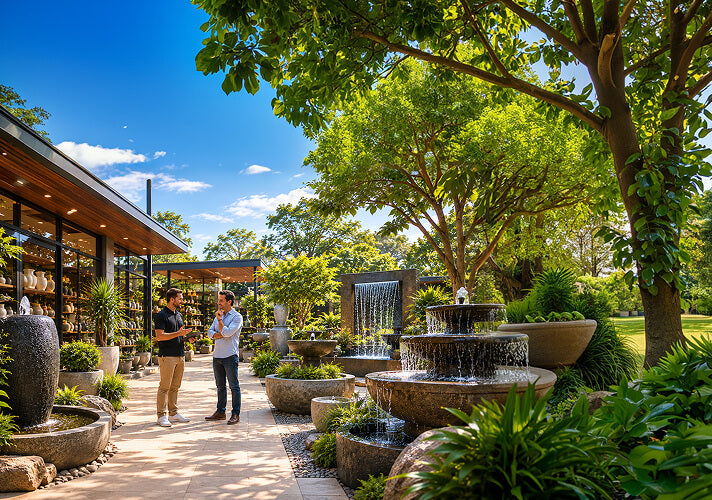
Join Australia's growing network of retailers, garden centres, landscapers, and home décor professionals.
Access exclusive trade pricing, premium water features, fast Australia-wide delivery, and dedicated wholesale support.

Premium
Quality Range

Dedicated
Account Support

Fast Australia
Wide Delivery

Exclusive
Trade Pricing
Still Have Questions? We've Got You Covered
Choosing Your Fountain
Find the perfect fountain for your space
How do I choose the right size fountain for my garden?
Measure your planned space before selecting a fountain. For smaller gardens, consider compact options like wall fountains, tabletop features, or small cascading bowls. Larger gardens can accommodate expansive features like tiered fountains, ponds, or waterfalls. Compare the dimensions listed in the product description to your available space, and consider viewing distance—larger spaces can handle more substantial pieces.
What style fountain should I choose?
Your fountain should complement your existing garden style. Modern homes suit contemporary sleek designs, while traditional properties pair well with classical tiered fountains. However, don't be afraid to add contrast—there's no wrong answer as long as the piece speaks to you. Consider whether you want the fountain as a central focal point or a subtle corner accent.
Where should I place my fountain?
Choose a location that's easily visible and accessible from multiple angles. Avoid placing fountains too close to your home's foundation. Check for underground utilities before digging, ensure the ground is level, and consider proximity to power sources for easier installation. Place fountains on flat, sturdy, level surfaces—not on grass, which can settle over time.
What size pump do I need?
Pump size depends on your fountain type and height. For typical garden fountains, pumps range from 600-2,000 litres per hour. Larger tiered fountains and taller features require higher flow rates to achieve proper water cascade. Check the product specifications for recommended pump capacity, and consider using a pump with adjustable flow for flexibility.
Installation
Setting up your fountain correctly
How do I install a garden fountain?
Basic installation steps:
- Choose and prepare a level site, removing rocks and debris
- Check for underground utilities before digging
- Dig a hole for the reservoir basin if required
- Install the pump following manufacturer instructions
- Connect tubing securely and check for leaks
- Position the fountain components and align properly
- Cover the basin with decorative stones or rocks
- Fill with water and test the pump flow
- Adjust water flow to achieve desired sound and appearance
Do I need an electrician to install my fountain?
Most plug-and-play fountains can be installed without an electrician. However, if you need to install outdoor electrical outlets or hardwire a pump, consult a licensed electrician. Always use outdoor-rated electrical outlets with safety switches (RCD protection).
Can I install a fountain on uneven ground?
Fountains must be installed on level surfaces for proper water flow and stability. If your ground is uneven, you'll need to level it first using compacted hardcore, gravel, and sand, or create a level concrete pad. Use a spirit level to ensure the base is perfectly horizontal.


